RSS

2019, April

0 How to Calculate AC Contactor Current Rating for Motor?

The AC contactor has found wide applications in the motor-controlled circuit. It is no exaggeration to say that the electric drive of most motors cannot be separated from the control of the AC contactor. Many electricians are very familiar with the AC contactor for their frequency use or maintenance of it. How should we calculate the AC contactor rating for the motor or other equipment and make a right choice? Let us take a look at it.
0 Difference Between Current Transformer and Potential Transformer

The instrument transformers like current transformer and potential transformer (also called voltage transformer) are both used for measuring devices, which have a similar working principle to transformers. The current transformer can reduce the high current to low current, while the potential transformer steps down the high voltage to low voltage for measuring the circuit or in the power distribution. They both separate the measurement circuit from the high-voltage grid to protect safety of the personnel.

0 Operating Steps of Start and Stop Pressure Transducers

In normal inspection and maintenance of pressure transducer, zero calibration and periodical blowdown of the pressure transducer would involve the starting and stopping operations. So correctly start and stop the pressure transducer is also one of the required skills. This paper describes the specific start and stop operating steps of pressure transducer.

0 Industrial PCs Price List

ATO Industrial fanless embedded computers are available in a wide variety of designs and sizes, offer a high level of performance and low level of power consumption. Used for data computing, remote monitoring, and the integration of hardware and software technologies, industrial PC's are ideal computing solutions for tight spaces because they are designed with small footprints and multiple I/Os.

0 How Does a Combustible Gas Detector Work?

Combustible gas has certain characteristics of diffusion. In order to prevent the accidents caused by combustible gas leakage, the key lies in effectively controlling its continuous diffusion. Moreover, flammable gases will spread quickly driven by external forces. As a result, burning and explosion will take place. How to prevent the occurrence of this kind of accidents? What we need to do is often detecting the concentration of combustible gas whether it exceed the standard. Once the concentration exceeds the standard, give an alarm quickly and we take actions immediately. Here combustible gas detector plays an important role.
A combustible gas detector is a detector that monitor the concentration of single or multiple combustible gases and give an alarm. Combustible gas detectors are mainly divided into two types, catalytic type and infrared optical type base on the working principle.

0 Difference Between Relays and Transistors

Relays and transistors have a similar basic function, that is, both play roles of electronic switches. However, relays and transistors are very different from each other. Now let’s take a quick peek at the differences between relays and transistors.

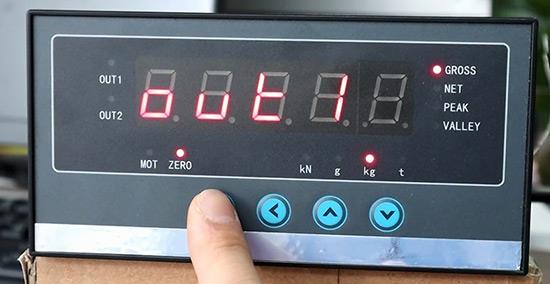
2 5 Digit Display Controller Setting for S Type Load Cell

ATO 5 Digit Display Controller offers simple calibration and configuration with options for additional outputs such as 4-20 mA/ 0-10 V analogue outputs and communications ports for connection to PC's, PLC's printers and remote displays . It is designed for cooperating with load cells, force sensors and weighing sensors.
display controller parameter setting

0 How to Select a Right Sensor?

Modern industrial sensors are vastly different in principle and structure, and there are so many different types of products on the market. How can we find the ideal sensor for a specific application? When the sensor is selected, the corresponding measurement method and measuring equipment can be determined. The success or failure of measurement results largely depends on whether the selection of sensors is reasonable.

0 FAQ-Step Up/Step Down Transformer

Q: What is a transformer?
A: 
A transformer is a device that step up or step down the voltage in an AC circuit. It converts the voltage of any value into the voltage value we need at the same frequency to meet the requirements for the delivery, distribution and use of electrical energy. For example, the electricity generated by the power plant has a low voltage level, and the voltage must be raised to be transported to a remote power consumption area. And the power supply area must be turned down to a suitable voltage level to supply power equipment and daily power equipment.

Blog archive