Calomel Reference Electrode

$100.89
Buy calomel reference electrode at economical price. This calomel electrode is a type of reference electrode commonly used in electrochemical measurements and experiments. Consists of a mercury-mercurous chloride (Hg/Hg2Cl2) electrode system, with a saturated potassium chloride (KCl) solution acting as the electrolyte.
SKU: ATO-RE-6802-01
Free Shipping
Delivery date: 10-20 days

Calomel reference electrodes are stable and have well-defined potential, making them suitable for accurate and reproducible measurements in various electrochemical applications, such as pH determination and cell potential measurements.

Specification

ModelATO-6802-01
Electrode TypeCalomel (Hg/ Hg2Cl2) Reference Electrode
Reference TypeCalomel Single Salt Bridge Type
Salt Bridge MaterialCeramic Sand Core
Filling Liquid3.8mol/L KCl
Shell MaterialGlass
Temperature Range5℃~55℃
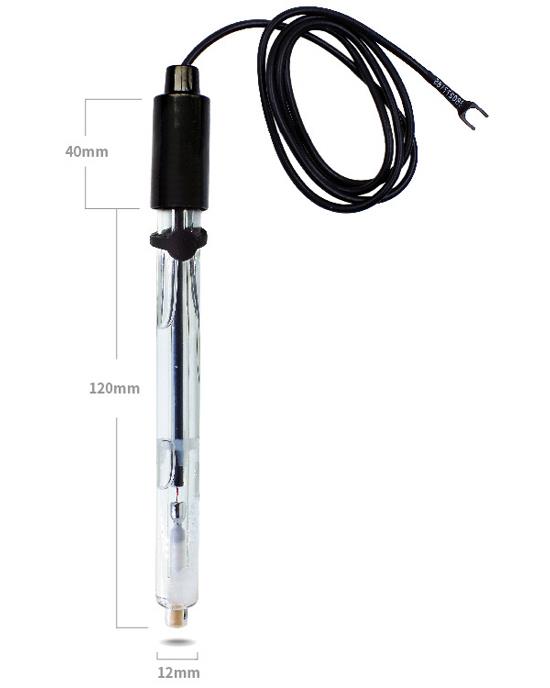
Dimensionφ12*120mm
ConnectorU-Shaped Fork Piece


Dimension

Calomel reference electrode dimension

Application

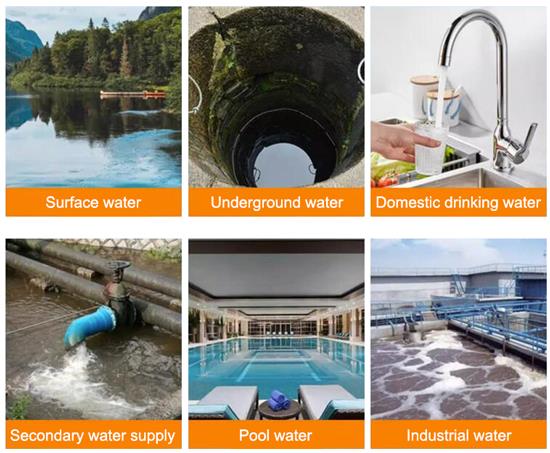
Calomel reference electrode application

Tips: Difference between saturated calomel electrode (SCE) and a silver/silver chloride electrode

The saturated calomel electrode (SCE) and the silver/silver chloride electrode (Ag/AgCl) are both reference electrodes used in electrochemical measurements. The SCE consists of mercury, mercurous chloride (calomel), and a saturated potassium chloride solution. It provides a stable and reproducible reference potential, commonly used in chloride-containing electrolytes. However, SCE has some drawbacks, such as toxicity and the potential for mercury contamination.

On the other hand, the Ag/AgCl electrode consists of a silver wire coated with silver chloride. It offers a non-toxic alternative with a stable potential, suitable for a wider range of applications. The Ag/AgCl electrode is especially useful in biological and environmental studies. Unlike the SCE, it avoids the environmental and health concerns associated with mercury. Both electrodes operate on the principle of a half-cell reaction involving chloride ions, but their composition and applications differ, allowing researchers to choose the reference electrode that best suits their experimental conditions.

In this video, ATO will show you top ten most used sensors (sensing technologies).

Product reviews
Consistent performance for accurate electrochemical testing
5
Lucianly
Avatar
2/26/2026 6:10 PM
I’ve been using this calomel reference electrode in several electrochemical experiments, and it has performed reliably throughout. The mercury–mercurous chloride system provides a stable and repeatable reference potential, which is crucial for obtaining precise data. It was easy to set up and worked seamlessly with our existing instruments.
Was this review helpful? Yes No (0/0)
High quality calomel reference electrode
5
Ronaldo
Avatar
6/22/2026 6:57 PM
Well-made glass shell calomel reference electrode, stable potential output and wide temperature adaptability for daily lab testing.
Was this review helpful? Yes No (0/0)
Write your review
  • Only registered users can write reviews
*
*
  • Bad
  • Excellent
*
*
*
*

Calomel reference electrodes are stable and have well-defined potential, making them suitable for accurate and reproducible measurements in various electrochemical applications, such as pH determination and cell potential measurements.

Specification

ModelATO-6802-01
Electrode TypeCalomel (Hg/ Hg2Cl2) Reference Electrode
Reference TypeCalomel Single Salt Bridge Type
Salt Bridge MaterialCeramic Sand Core
Filling Liquid3.8mol/L KCl
Shell MaterialGlass
Temperature Range5℃~55℃
Dimensionφ12*120mm
ConnectorU-Shaped Fork Piece


Dimension

Calomel reference electrode dimension

Application

Calomel reference electrode application

Tips: Difference between saturated calomel electrode (SCE) and a silver/silver chloride electrode

The saturated calomel electrode (SCE) and the silver/silver chloride electrode (Ag/AgCl) are both reference electrodes used in electrochemical measurements. The SCE consists of mercury, mercurous chloride (calomel), and a saturated potassium chloride solution. It provides a stable and reproducible reference potential, commonly used in chloride-containing electrolytes. However, SCE has some drawbacks, such as toxicity and the potential for mercury contamination.

On the other hand, the Ag/AgCl electrode consists of a silver wire coated with silver chloride. It offers a non-toxic alternative with a stable potential, suitable for a wider range of applications. The Ag/AgCl electrode is especially useful in biological and environmental studies. Unlike the SCE, it avoids the environmental and health concerns associated with mercury. Both electrodes operate on the principle of a half-cell reaction involving chloride ions, but their composition and applications differ, allowing researchers to choose the reference electrode that best suits their experimental conditions.

Product reviews
Consistent performance for accurate electrochemical testing
5
Lucianly
Avatar
2/26/2026 6:10 PM
I’ve been using this calomel reference electrode in several electrochemical experiments, and it has performed reliably throughout. The mercury–mercurous chloride system provides a stable and repeatable reference potential, which is crucial for obtaining precise data. It was easy to set up and worked seamlessly with our existing instruments.
Was this review helpful? Yes No (0/0)
High quality calomel reference electrode
5
Ronaldo
Avatar
6/22/2026 6:57 PM
Well-made glass shell calomel reference electrode, stable potential output and wide temperature adaptability for daily lab testing.
Was this review helpful? Yes No (0/0)
Only registered users can write reviews