Sodium Ion Selective Electrode

$214.29
Economical price sodium ion selective electrode (ISE) for sale online. It is a specialized electrochemical sensor designed to measure the concentration of sodium ions in a solution. Specific electrode needs to be used in conjunction with a reference electrode and composite ISE consists of a reference electrode and a sensing electrode.
SKU: ATO-ISE-SODIUM
*
Free Shipping
Delivery date: 6-12 days

ISEs are widely used in various applications, including environmental monitoring, medical diagnostics, and industrial processes, and play a vital role in quantifying sodium levels in diverse fields, contributing to the understanding and control of sodium-related processes and conditions. They offer advantages such as high sensitivity, rapid response, and minimal interference from other ions.

Specification

ModelATO-701ATO-6801-01ATO-6801-A
Electrode TypeComposite ElectrodeSingle ElectrodeSingle Electrode
IonSodium Ion (Na+)Sodium Ion (Na+)Sodium Ion (Na+)
Standard SolutionNaCl SolutionNaCl SolutionNaCl Solution
Measuring Range1 x 10-6~10-1mol/L1 x 10-6~1mol/L1 x 10-6~1mol/L
23ug/L~2.3g/L23ug/L~23g/L, 0~6pNa23ug/L~23g/L, 0~6pNa
Ionic Strength Adjuster (Powder)0.2mol/L of Diisopropylamine0.2mol/L of Diisopropylamine0.2mol/L of Diisopropylamine
High-end Ionic Strength RegulatorIonic Strength Regulator Type VIIIonic Strength Regulator Type VIIIonic Strength Regulator Type VII
Sensitive Film MaterialGlass BulbGlass BulbGlass Bulb
Shell MaterialGlassGlassGlass
Working Temperature5℃~45℃20℃~40℃20℃~40℃
InterfaceBNC (Q9)BNC (Q9)BNC (Q9)
Liquid JunctionCeramic Sand Core Single Salt Bridge//
Reference Filling Fluid1 mol/L NH4Cl//
Reference StructureAg/ AgCl//
Recommend Reference ElectrodeBuilt-inATO-6802-01ATO-6802
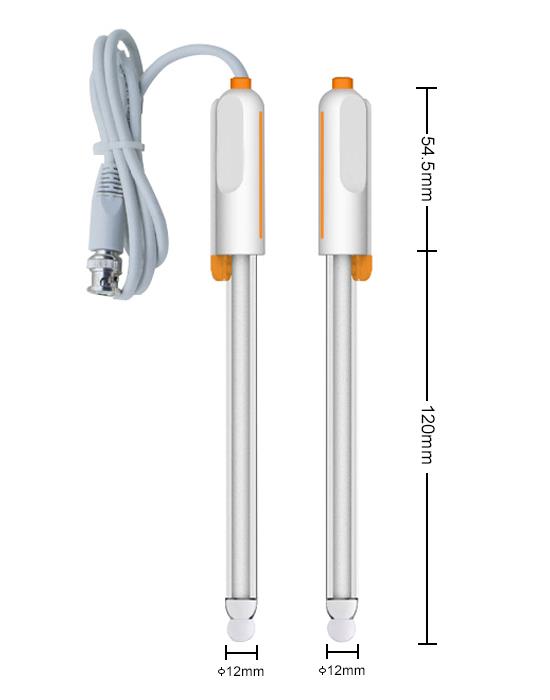
Dimensionφ12*120mmφ12*120mmφ12*120mm


Dimension

Sodium ion selective electrode ISE dimension

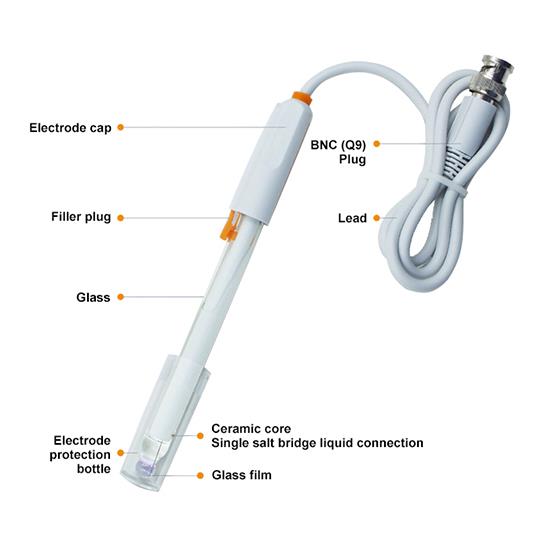
Detail

Sodium ion selective electrode ISE detail

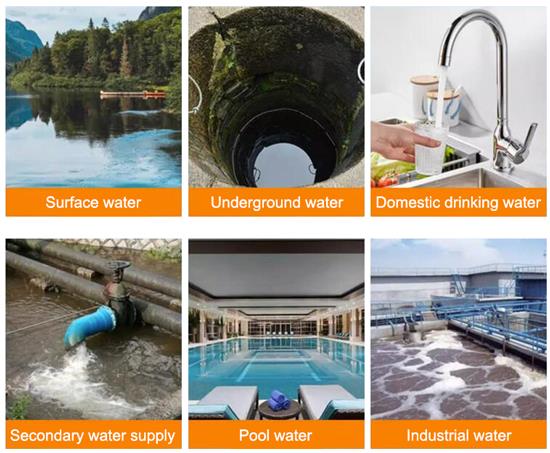
Application

Calcium ion selective electrode ISE application

Tips: What are the potential interferences in sodium ISE measurements?

Sodium ion-selective electrode (ISE) measurements may be susceptible to various interferences. Common challenges include ion interference from other cations, such as potassium and lithium, which can cross-react with the electrode and lead to inaccurate sodium readings. pH fluctuations can also impact results, as the sensitivity of the electrode may vary with changes in sample acidity. Additionally, substances like proteins and lipids can foul the electrode membrane, affecting its selectivity and response. Temperature variations may influence electrode performance, requiring temperature compensation for accurate readings. Presence of surfactants or complexing agents in the sample can further complicate measurements. Regular calibration, proper sample preparation, and adherence to recommended procedures can help mitigate these interferences and ensure reliable sodium ISE measurements.

Product reviews
Accurate Sodium Ion Measurement
5
Cassian
Avatar
10/6/2026 7:18 PM
I’ve been using this sodium ion selective electrode for routine testing, and it has worked well so far. The readings are stable, and the electrode is easy to use with a reference electrode. A practical option for regular sodium ion measurements.
Was this review helpful? Yes No (0/0)
Write your review
  • Only registered users can write reviews
*
*
  • Bad
  • Excellent
*
*
*
*

ISEs are widely used in various applications, including environmental monitoring, medical diagnostics, and industrial processes, and play a vital role in quantifying sodium levels in diverse fields, contributing to the understanding and control of sodium-related processes and conditions. They offer advantages such as high sensitivity, rapid response, and minimal interference from other ions.

Specification

ModelATO-701ATO-6801-01ATO-6801-A
Electrode TypeComposite ElectrodeSingle ElectrodeSingle Electrode
IonSodium Ion (Na+)Sodium Ion (Na+)Sodium Ion (Na+)
Standard SolutionNaCl SolutionNaCl SolutionNaCl Solution
Measuring Range1 x 10-6~10-1mol/L1 x 10-6~1mol/L1 x 10-6~1mol/L
23ug/L~2.3g/L23ug/L~23g/L, 0~6pNa23ug/L~23g/L, 0~6pNa
Ionic Strength Adjuster (Powder)0.2mol/L of Diisopropylamine0.2mol/L of Diisopropylamine0.2mol/L of Diisopropylamine
High-end Ionic Strength RegulatorIonic Strength Regulator Type VIIIonic Strength Regulator Type VIIIonic Strength Regulator Type VII
Sensitive Film MaterialGlass BulbGlass BulbGlass Bulb
Shell MaterialGlassGlassGlass
Working Temperature5℃~45℃20℃~40℃20℃~40℃
InterfaceBNC (Q9)BNC (Q9)BNC (Q9)
Liquid JunctionCeramic Sand Core Single Salt Bridge//
Reference Filling Fluid1 mol/L NH4Cl//
Reference StructureAg/ AgCl//
Recommend Reference ElectrodeBuilt-inATO-6802-01ATO-6802
Dimensionφ12*120mmφ12*120mmφ12*120mm


Dimension

Sodium ion selective electrode ISE dimension

Detail

Sodium ion selective electrode ISE detail

Application

Calcium ion selective electrode ISE application

Tips: What are the potential interferences in sodium ISE measurements?

Sodium ion-selective electrode (ISE) measurements may be susceptible to various interferences. Common challenges include ion interference from other cations, such as potassium and lithium, which can cross-react with the electrode and lead to inaccurate sodium readings. pH fluctuations can also impact results, as the sensitivity of the electrode may vary with changes in sample acidity. Additionally, substances like proteins and lipids can foul the electrode membrane, affecting its selectivity and response. Temperature variations may influence electrode performance, requiring temperature compensation for accurate readings. Presence of surfactants or complexing agents in the sample can further complicate measurements. Regular calibration, proper sample preparation, and adherence to recommended procedures can help mitigate these interferences and ensure reliable sodium ISE measurements.

Product reviews
Accurate Sodium Ion Measurement
5
Cassian
Avatar
10/6/2026 7:18 PM
I’ve been using this sodium ion selective electrode for routine testing, and it has worked well so far. The readings are stable, and the electrode is easy to use with a reference electrode. A practical option for regular sodium ion measurements.
Was this review helpful? Yes No (0/0)
Only registered users can write reviews
Customers who bought this item also bought

Chloride Ion Selective Electrode

ATO-ISE-CHLORIDE
$141.29
ATO chloride ion-selective electrode (ISE) is a sensor used with a reference electrode and ion meter in analytical chemistry to measure the concentration of chloride ions (Cl-) in a solution, measuring range from 5x10⁻⁵~10-1mol/L. The low price specific electrode consists of a membrane selective to chloride ions, made of silver chloride, surrounded by a reference solution containing a fixed concentration of chloride ions.

Calcium Ion Selective Electrode

ATO-ISE-CALCIUM
$141.29
Economical price calcium ion selective electrode (Ca2+ ISE) is a specialized sensor used to measure the concentration of calcium ions in a solution. Calcium ISE is widely used in clinical laboratories for monitoring blood calcium levels, environmental analysis for assessing calcium concentrations in water samples, and industrial processes where precise control of calcium levels is crucial.

Potassium Ion Selective Electrode

ATO-ISE-POTASSIUM
$185.79
Potassium ion selective electrode (ISE) for sale. This economical price specific electrode needs to be used in conjunction with a reference electrode and an ion meter. Potassium ISE is a sensor designed to measure the concentration of potassium ions in a solution. It is widely used in clinical chemistry, environmental monitoring, and industrial processes, providing a rapid and accurate method for quantifying potassium levels in liquid samples.

Iodide Ion Selective Electrode

ATO-ISE-IODIDR
$141.29
Buy iodide ion selective electrode (ISE) online at favorable price. This iodide ion selective electrode is a sensor designed to measure the concentration of iodide ions in a solution. It offers advantages such as specificity, sensitivity, and rapid response, making it a valuable tool in analytical chemistry for iodide ion detection. This specific electrode needs to be used in conjunction with a reference electrode and an ion meter.