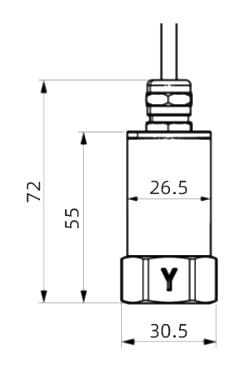
Wireless Vibration Sensor, LoRa/WiFi, 1 Axis/3 Axis

$280.66
Wireless vibration sensor available in LoRa and WiFi versions. The LoRa vibration sensor supports 1/3-axis vibration measurement and temperature monitoring, featuring vibration measurement up to 199.9mm/s, frequency range up to 12kHz, and IP67 protection. The WiFi vibration sensor features 3-axis vibration measurement, combining an RS485 vibration transmitter and WiFi collector, with vibration velocity (0–50mm/s), displacement (0–5000μm), acceleration (16g), temperature monitoring, and IP68 protection for industrial condition monitoring.
SKU: ATO-VT-LW
*
*
Free Shipping
Delivery date: 6-12 days

Industrial wireless vibration sensor with high precision and reliability, providing 1-axis/3-axis vibration monitoring with vibration velocity measurement up to 199.9mm/s and resolution up to 0.1mm/s for accurate measurement. The compact and lightweight transmitter supports LoRa/WiFi communication, and convenient installation. IP67/IP68 protection ensures reliable operation in harsh industrial environments.

Specification

LoRa

ModelATO-RS-WZ3-LORA-1
Signal OutputLoRa Wireless Signal
Frequency Range10–1600 Hz
10–5000 Hz
10–12000 Hz
Vibration Measurement Direction1 Axis (Z Axis)
3 Axis (X, Y, and Z Axis)
Vibration Measurement Range0–50 mm/s
0–199.9 mm/s
Vibration Measurement Accuracy±1.5%FS (@1kHz, 10mm/s)
Vibration Resolution0.1 mm/s
Surface Temperature Measurement Range-40–80℃
Temperature Display Resolution0.1℃
Operating Environment-40–80℃, 0–80%RH
Contact Temperature Resistance Range-40–150℃
Housing MaterialAluminum Alloy
Mounting MethodThreaded Mounting, Magnetic Mounting (Optional)
Configuration MethodBluetooth Configuration, Generic Configuration Software Provided
Power SupplyBuilt-in Battery Powered (3.6V Plug-in Lithium Thionyl Chloride Battery)
Battery LifeUp to 8 Years (1-hour Upload Interval)
Up to 5 Years for 12kHz Vibration & Temperature Transmitter (1-hour Upload Interval)
Data Upload IntervalMinimum Configurable Upload Interval: 40 Seconds
Protection RatingIP67
Explosion-proof MarkingEx ia IIC T4 Ga: Ex ia IIIC T200195℃ Da
Weight560g

WiFi

ModelATO-RS-WZ3-N01-1 + ATO-RS-WIFI-M-TH
Power SupplyDC10–30V
Power Consumption0.5W (DC24V)
Protection RatingIP68
Frequency Range10–1600 Hz
Vibration Measurement Direction3 Axis
Operating Temperature-40–80℃, 0–80%RH
Contact Temperature Range-40–150℃ (Default 85℃)
Vibration Velocity Range0–50 mm/s
Velocity Accuracy<1% (@160Hz, 10mm/s)
Velocity Resolution0.1 mm/s
Displacement Range0–5000 μm
Displacement Accuracy<1% (@40Hz, 400μm)
Displacement Resolution0.1 μm
Acceleration Range16g
Acceleration Accuracy<1% (@160Hz, 10m/s²)
Acceleration Resolution0.1 m/s²
Surface Temperature Range-40–150℃ (Default 80℃)
Temperature Resolution0.1℃
OutputRS485
SamplingReal-time
Housing Material304 Stainless Steel
Weight600g

*Note: The WiFi version is not a built-in WiFi sensor. It consists of an RS485 vibration & temperature transmitter with an external WiFi data collector for wireless communication.

Feature

  • LoRa & WiFi Versions Available: Provides flexible wireless communication options. The WiFi vibration sensor consists of an RS485 vibration transmitter and WiFi data collector.
  • 1/3-Axis Vibration Measurement: Enables single-axis and three-axis vibration monitoring, including vibration, displacement, acceleration, and temperature measurement.
  • High-Performance Monitoring: Wireless vibration sensor delivers frequency response up to 12kHz, vibration velocity measurement up to 199.9mm/s, and reliable condition monitoring for industrial equipment.
  • Long Battery Life & Industrial Protection: The LoRa vibration sensor offers up to 8 years of battery life. Features IP67/IP68 protection and durable housing for harsh environments.
  • Flexible Installation & Configuration: Allows threaded or magnetic mounting and Bluetooth configuration with generic software for easy setup.

Size (unit: mm)

LoRa
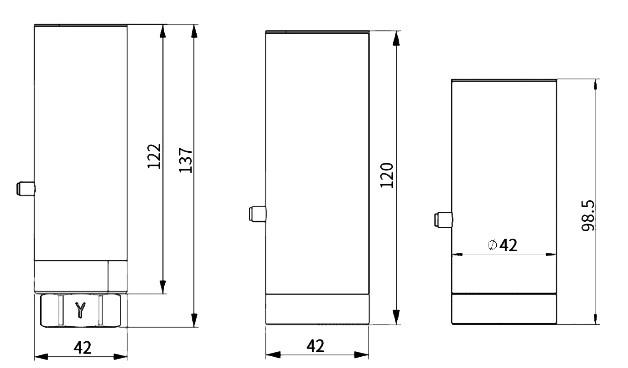
Wireless vibration sensor size LoRa

WiFi

Wireless vibration sensor size wifi

Applications

Wireless vibration sensor application

Tips: How do wireless vibration sensors enable data transmission?

Wireless vibration sensors typically transmit the collected data to a receiving device or cloud platform via a wireless communication protocol (e.g. WiFi, LoRa). This approach avoids the limitations of traditional wired transmission and allows the sensors to be flexibly installed in a variety of locations. Users can view the data in real time via mobile or computer, or set up an alarm function to receive alerts when vibration is abnormal. In addition, some advanced sensors support edge computing, which allows data to be processed directly on the device side, reducing transmission delays.

Product reviews
excellent wireless vibration sensor
5
Timmy
Avatar
10/20/2025 7:42 PM
I installed this 3 axis wireless vibration sensor on our production line equipment and it's been incredibly reliable. The real-time monitoring through the NB-IoT network gives me peace of mind, and the magnetic base made installation super easy. The battery life seems solid as promised. What really impressed me was the platform service - their support team helped me set up the dashboard and was very responsive to my questions.
Was this review helpful? Yes No (0/0)
Write your review
  • Only registered users can write reviews
*
*
  • Bad
  • Excellent
*
*
*
*

Industrial wireless vibration sensor with high precision and reliability, providing 1-axis/3-axis vibration monitoring with vibration velocity measurement up to 199.9mm/s and resolution up to 0.1mm/s for accurate measurement. The compact and lightweight transmitter supports LoRa/WiFi communication, and convenient installation. IP67/IP68 protection ensures reliable operation in harsh industrial environments.

Specification

LoRa

ModelATO-RS-WZ3-LORA-1
Signal OutputLoRa Wireless Signal
Frequency Range10–1600 Hz
10–5000 Hz
10–12000 Hz
Vibration Measurement Direction1 Axis (Z Axis)
3 Axis (X, Y, and Z Axis)
Vibration Measurement Range0–50 mm/s
0–199.9 mm/s
Vibration Measurement Accuracy±1.5%FS (@1kHz, 10mm/s)
Vibration Resolution0.1 mm/s
Surface Temperature Measurement Range-40–80℃
Temperature Display Resolution0.1℃
Operating Environment-40–80℃, 0–80%RH
Contact Temperature Resistance Range-40–150℃
Housing MaterialAluminum Alloy
Mounting MethodThreaded Mounting, Magnetic Mounting (Optional)
Configuration MethodBluetooth Configuration, Generic Configuration Software Provided
Power SupplyBuilt-in Battery Powered (3.6V Plug-in Lithium Thionyl Chloride Battery)
Battery LifeUp to 8 Years (1-hour Upload Interval)
Up to 5 Years for 12kHz Vibration & Temperature Transmitter (1-hour Upload Interval)
Data Upload IntervalMinimum Configurable Upload Interval: 40 Seconds
Protection RatingIP67
Explosion-proof MarkingEx ia IIC T4 Ga: Ex ia IIIC T200195℃ Da
Weight560g

WiFi

ModelATO-RS-WZ3-N01-1 + ATO-RS-WIFI-M-TH
Power SupplyDC10–30V
Power Consumption0.5W (DC24V)
Protection RatingIP68
Frequency Range10–1600 Hz
Vibration Measurement Direction3 Axis
Operating Temperature-40–80℃, 0–80%RH
Contact Temperature Range-40–150℃ (Default 85℃)
Vibration Velocity Range0–50 mm/s
Velocity Accuracy<1% (@160Hz, 10mm/s)
Velocity Resolution0.1 mm/s
Displacement Range0–5000 μm
Displacement Accuracy<1% (@40Hz, 400μm)
Displacement Resolution0.1 μm
Acceleration Range16g
Acceleration Accuracy<1% (@160Hz, 10m/s²)
Acceleration Resolution0.1 m/s²
Surface Temperature Range-40–150℃ (Default 80℃)
Temperature Resolution0.1℃
OutputRS485
SamplingReal-time
Housing Material304 Stainless Steel
Weight600g

*Note: The WiFi version is not a built-in WiFi sensor. It consists of an RS485 vibration & temperature transmitter with an external WiFi data collector for wireless communication.

Feature

  • LoRa & WiFi Versions Available: Provides flexible wireless communication options. The WiFi vibration sensor consists of an RS485 vibration transmitter and WiFi data collector.
  • 1/3-Axis Vibration Measurement: Enables single-axis and three-axis vibration monitoring, including vibration, displacement, acceleration, and temperature measurement.
  • High-Performance Monitoring: Wireless vibration sensor delivers frequency response up to 12kHz, vibration velocity measurement up to 199.9mm/s, and reliable condition monitoring for industrial equipment.
  • Long Battery Life & Industrial Protection: The LoRa vibration sensor offers up to 8 years of battery life. Features IP67/IP68 protection and durable housing for harsh environments.
  • Flexible Installation & Configuration: Allows threaded or magnetic mounting and Bluetooth configuration with generic software for easy setup.

Size (unit: mm)

LoRa

Wireless vibration sensor size LoRa

WiFi

Wireless vibration sensor size wifi

Applications

Wireless vibration sensor application

Tips: How do wireless vibration sensors enable data transmission?

Wireless vibration sensors typically transmit the collected data to a receiving device or cloud platform via a wireless communication protocol (e.g. WiFi, LoRa). This approach avoids the limitations of traditional wired transmission and allows the sensors to be flexibly installed in a variety of locations. Users can view the data in real time via mobile or computer, or set up an alarm function to receive alerts when vibration is abnormal. In addition, some advanced sensors support edge computing, which allows data to be processed directly on the device side, reducing transmission delays.

Product reviews
excellent wireless vibration sensor
5
Timmy
Avatar
10/20/2025 7:42 PM
I installed this 3 axis wireless vibration sensor on our production line equipment and it's been incredibly reliable. The real-time monitoring through the NB-IoT network gives me peace of mind, and the magnetic base made installation super easy. The battery life seems solid as promised. What really impressed me was the platform service - their support team helped me set up the dashboard and was very responsive to my questions.
Was this review helpful? Yes No (0/0)
Only registered users can write reviews