Ozone (O3) Detection Sensor, 10ppb to 1000ppb

$50.36
Ozone gas sensors for sale online. It has high sensitivity to Ozone and also has certain sensitivity to strong oxidizing gases such as Chlorine and Nitrogen Dioxide. Ozone (O3) detection sensor, with a detection range of 10ppb to 1000ppb, widely used in household Ozone concentrations exceeding alarm alarms, industrial Ozone concentrations exceeding alarm alarms, etc.
SKU: ATO-GS-O3
Free Shipping
Delivery date: 8-12 days

This gas sensor has a high sensitivity for detecting ozone in the range of 10ppb to 1000ppb. It is an ideal choice for household Ozone concentration exceeding alarm alarms, industrial Ozone concentration exceeding alarm alarms, and portable Ozone concentration detectors.

Specifications

ModelATO-MQ-131
Product TypeSemiconductor Gas Sensor
Standard PackagePlastic Seal
Detect GasOzone (O3)
Detection Concentration10~100ppb Ozone
Standard Circuit ConditionsLoop VoltageVC≤24V DC
Heating VoltageVH5.0V±0.1V AC or DC
Load ResistanceRLAdjustable
Gas Sensor Characteristics Under Standard Test ConditionsHeating ResistorRH34±3Ω (Room Temperature)
Heating Power ConsumptionPH≤900mW
SensitivitySR0(in air)/RS (in 200ppb O3)≥2
Output VoltageVS≥1.0V (in 200ppb O3)
Concentration Slopeα≤0.6 (R100ppb/R500ppb O3)
Standard Test ConditionsTemperature, Humidity20℃±2℃; 55%±5%RH
Standard Test CircuitVC:5.0V±0.1V; VH:5.0V±0.1V
Preheat TimeNot Less Than 48h
Oxygen Concentration21% (Not less than 18%. Oxygen concentration will affect the initial value, sensitivity and repeatability of the sensor. Please consult when using it under low oxygen concentration.)
Life5 Years


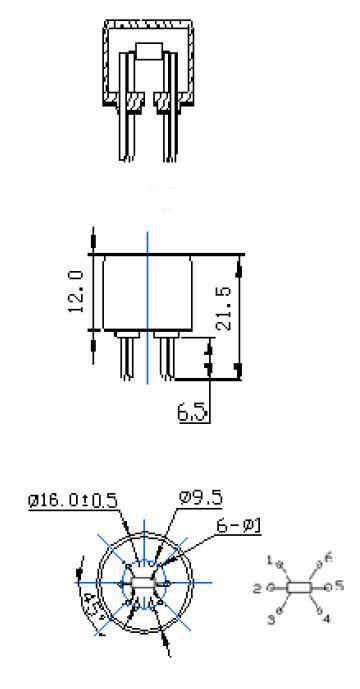
Structural Diagram

Ozone gas sensor structural diagram

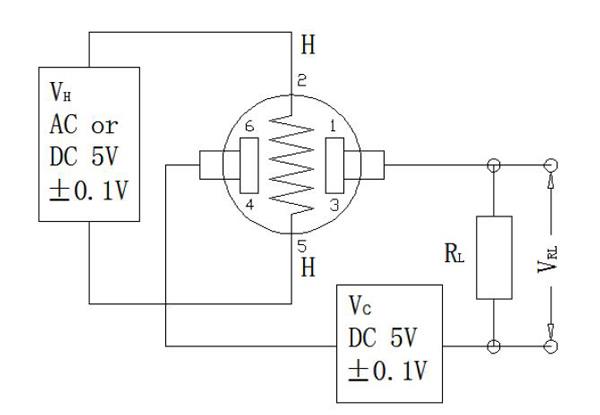
Circuit Diagram

Ozone gas sensor circuit diagram

Tips: What is an Ozone (O3) detection sensor used for?

Ozone (O3) detection sensors play a crucial role in monitoring and assessing air quality by measuring the concentration of ozone in the atmosphere. Ozone is a reactive gas composed of three oxygen molecules and is a key component of the Earth's stratosphere, where it forms the ozone layer. While ozone is beneficial in the stratosphere as it absorbs and protects against harmful ultraviolet (UV) radiation, ground-level ozone can be a significant air pollutant.

Ozone is a common component of smog, and its elevated concentrations near the Earth's surface can have adverse effects on human health, vegetation, and the environment. Exposure to high levels of ground-level ozone can cause respiratory problems, aggravate existing respiratory conditions, and lead to other health issues.

Ozone detection sensors are utilized in various applications, including environmental monitoring, industrial settings, and research. They provide real-time data on ozone levels, enabling authorities to implement timely measures to protect public health and the environment. In urban areas, these sensors are often part of air quality monitoring networks, helping policymakers make informed decisions to mitigate the impact of air pollution. Additionally, industries use ozone sensors to ensure compliance with regulatory standards and to optimize processes that may contribute to ozone emissions. Overall, ozone detection sensors play a critical role in safeguarding air quality and human well-being.

In this video, ATO will show you top ten most used sensors (sensing technologies).

Product reviews
Accurately monitor ozone concentration
5
Barrio
Avatar
2/5/2025 12:40 AM
I use the ozone detection sensor to monitor indoor ozone concentration. After a period of observation, I found that the sensor can accurately reflect the changes in indoor ozone concentration. For example, after opening the window for ventilation, the indoor ozone concentration will drop rapidly; while when using certain electrical appliances that may produce ozone, the ozone concentration will increase.
Was this review helpful? Yes No (0/0)
Write your review
  • Only registered users can write reviews
*
*
  • Bad
  • Excellent
*
*
*
*

This gas sensor has a high sensitivity for detecting ozone in the range of 10ppb to 1000ppb. It is an ideal choice for household Ozone concentration exceeding alarm alarms, industrial Ozone concentration exceeding alarm alarms, and portable Ozone concentration detectors.

Specifications

ModelATO-MQ-131
Product TypeSemiconductor Gas Sensor
Standard PackagePlastic Seal
Detect GasOzone (O3)
Detection Concentration10~100ppb Ozone
Standard Circuit ConditionsLoop VoltageVC≤24V DC
Heating VoltageVH5.0V±0.1V AC or DC
Load ResistanceRLAdjustable
Gas Sensor Characteristics Under Standard Test ConditionsHeating ResistorRH34±3Ω (Room Temperature)
Heating Power ConsumptionPH≤900mW
SensitivitySR0(in air)/RS (in 200ppb O3)≥2
Output VoltageVS≥1.0V (in 200ppb O3)
Concentration Slopeα≤0.6 (R100ppb/R500ppb O3)
Standard Test ConditionsTemperature, Humidity20℃±2℃; 55%±5%RH
Standard Test CircuitVC:5.0V±0.1V; VH:5.0V±0.1V
Preheat TimeNot Less Than 48h
Oxygen Concentration21% (Not less than 18%. Oxygen concentration will affect the initial value, sensitivity and repeatability of the sensor. Please consult when using it under low oxygen concentration.)
Life5 Years


Structural Diagram

Ozone gas sensor structural diagram

Circuit Diagram

Ozone gas sensor circuit diagram

Tips: What is an Ozone (O3) detection sensor used for?

Ozone (O3) detection sensors play a crucial role in monitoring and assessing air quality by measuring the concentration of ozone in the atmosphere. Ozone is a reactive gas composed of three oxygen molecules and is a key component of the Earth's stratosphere, where it forms the ozone layer. While ozone is beneficial in the stratosphere as it absorbs and protects against harmful ultraviolet (UV) radiation, ground-level ozone can be a significant air pollutant.

Ozone is a common component of smog, and its elevated concentrations near the Earth's surface can have adverse effects on human health, vegetation, and the environment. Exposure to high levels of ground-level ozone can cause respiratory problems, aggravate existing respiratory conditions, and lead to other health issues.

Ozone detection sensors are utilized in various applications, including environmental monitoring, industrial settings, and research. They provide real-time data on ozone levels, enabling authorities to implement timely measures to protect public health and the environment. In urban areas, these sensors are often part of air quality monitoring networks, helping policymakers make informed decisions to mitigate the impact of air pollution. Additionally, industries use ozone sensors to ensure compliance with regulatory standards and to optimize processes that may contribute to ozone emissions. Overall, ozone detection sensors play a critical role in safeguarding air quality and human well-being.

Product reviews
Accurately monitor ozone concentration
5
Barrio
Avatar
2/5/2025 12:40 AM
I use the ozone detection sensor to monitor indoor ozone concentration. After a period of observation, I found that the sensor can accurately reflect the changes in indoor ozone concentration. For example, after opening the window for ventilation, the indoor ozone concentration will drop rapidly; while when using certain electrical appliances that may produce ozone, the ozone concentration will increase.
Was this review helpful? Yes No (0/0)
Only registered users can write reviews