Calomel Electrode, Hg/ Hg2Cl2 Electrode

$100.89
Favorable price calomel reference electrode is a widely used electrochemical reference electrode in analytical chemistry and electrochemical research. Hg/ Hg2Cl2 electrode consists of a mercury-based electrode immersed in a saturated potassium chloride (KCl) solution, separated from the test solution by a porous ceramic junction.
SKU: ATO-RE-6802
Free Shipping
Delivery date: 10-20 days

Calomel (Hg/ Hg2Cl2) reference electrodes have a stable and well-defined potential, making them suitable for precise measurements. They exhibit low impedance and are insensitive to light, making them advantageous for various electrochemical applications.

Specification

ModelATO-6802
Electrode TypeCalomel (Hg/ Hg2Cl2) Reference Electrode
Reference TypeCalomel Single Salt Bridge Type
Salt Bridge MaterialCeramic Sand Core
Filling Liquid0.1mol/L KCl
Shell MaterialGlass
Temperature Range5℃~55℃
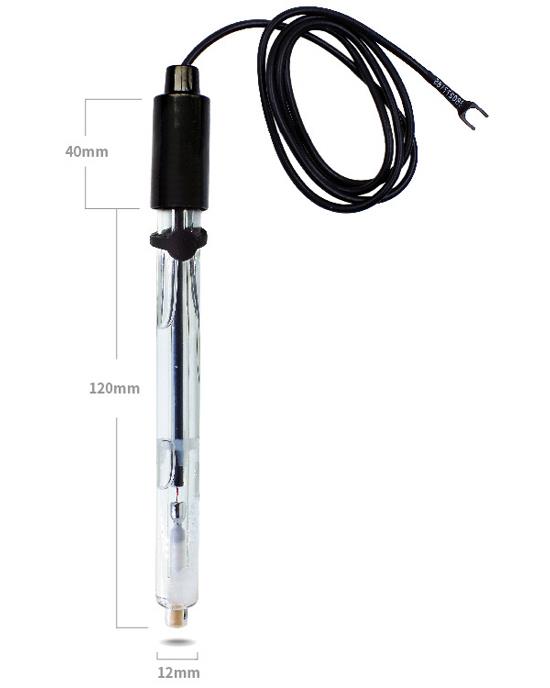
Dimensionφ12*120mm
ConnectorU-Shaped Fork Piece


Dimension

Calomel reference electrode dimension

Application

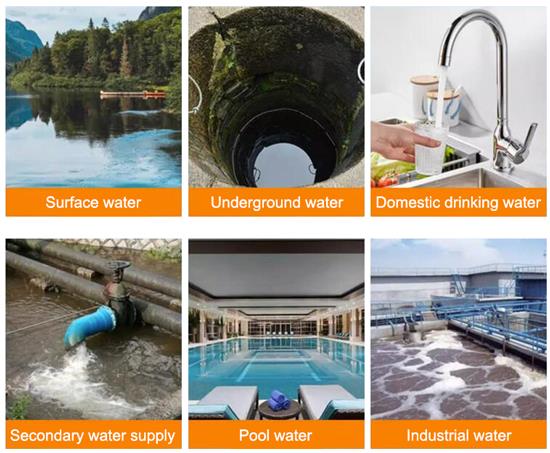
Calomel reference electrode application

Tips: What are the types of reference electrodes?

Reference electrodes are crucial in electrochemical measurements, providing a stable potential against which the working electrode potential is measured. Common types include the Standard Hydrogen Electrode (SHE), offering a precise potential but impractical due to handling difficulties. The Ag/AgCl electrode is widely used in aqueous solutions, providing stability and ease of use. Another variant is the saturated calomel electrode (SCE), featuring a mercury-based redox system. Non-aqueous systems often employ the silver/silver ion electrode. Pseudo-reference electrodes, like the ferrocene/ferrocenium (Fc/Fc+) couple, offer advantages in organic solvents. Solid-state reference electrodes, such as those based on ion-conductive ceramics, present alternatives with enhanced durability. Choosing the appropriate reference electrode depends on the specific electrochemical system, considering factors like solvent, potential range, and experimental conditions.

In this video, ATO will show you top ten most used sensors (sensing technologies).

Write your review
  • Only registered users can write reviews
*
*
  • Bad
  • Excellent
*
*
*
*

Calomel (Hg/ Hg2Cl2) reference electrodes have a stable and well-defined potential, making them suitable for precise measurements. They exhibit low impedance and are insensitive to light, making them advantageous for various electrochemical applications.

Specification

ModelATO-6802
Electrode TypeCalomel (Hg/ Hg2Cl2) Reference Electrode
Reference TypeCalomel Single Salt Bridge Type
Salt Bridge MaterialCeramic Sand Core
Filling Liquid0.1mol/L KCl
Shell MaterialGlass
Temperature Range5℃~55℃
Dimensionφ12*120mm
ConnectorU-Shaped Fork Piece


Dimension

Calomel reference electrode dimension

Application

Calomel reference electrode application

Tips: What are the types of reference electrodes?

Reference electrodes are crucial in electrochemical measurements, providing a stable potential against which the working electrode potential is measured. Common types include the Standard Hydrogen Electrode (SHE), offering a precise potential but impractical due to handling difficulties. The Ag/AgCl electrode is widely used in aqueous solutions, providing stability and ease of use. Another variant is the saturated calomel electrode (SCE), featuring a mercury-based redox system. Non-aqueous systems often employ the silver/silver ion electrode. Pseudo-reference electrodes, like the ferrocene/ferrocenium (Fc/Fc+) couple, offer advantages in organic solvents. Solid-state reference electrodes, such as those based on ion-conductive ceramics, present alternatives with enhanced durability. Choosing the appropriate reference electrode depends on the specific electrochemical system, considering factors like solvent, potential range, and experimental conditions.

Only registered users can write reviews