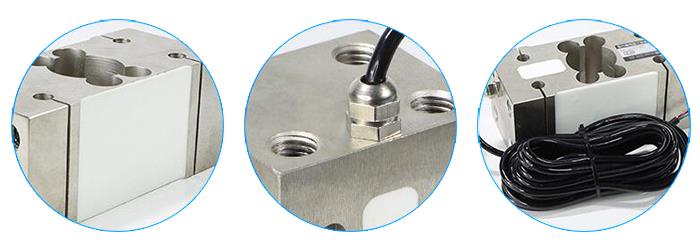
Bending Beam Load Cell, 150kg/250kg/500kg/1000kg/2000kg

$233.56
The bending beam load cell sells at a discounted price, available in capacities from 150kg, 250kg, 500kg, 1000kg, 2000kg, with a sensitivity of 2.0 ± 0.02mV/V and a zero output of ±1%F.S. Made from alloy steel, load cell bending beam operates at 5-15V with a temperature range of -20°C to 60°C. The load cell supports a safety overload of 150% and a maximum overload of 200%. Suitable for large-scale testing machines, batching scales, belt scales, and more.
SKU: ATO-LC-X305
*
*
*
Free Shipping
Delivery date: 6-12 days

After purchasing one ATO load cell, you can buy a special digital panel meter to obtain readings directly, or buy a transmitter to output standard signal to PLC, DCS and other systems. Customized output signal is 0-5V, 0-10V, or 4-20mA.

Note: The load cell cannot be connected to both the transmitter and the controller at the same time — only one can be selected.

The bending beam load cell comes in capacities from 150kg to 2000kg. The load cell has a creep of 0.03%F.S. over 30 minutes and a temperature effect on output of 0.03%F.S./10°C, while the temperature effect on zero is 0.05%F.S./10°C. It operates with a frequency response of 10kHz and is made from durable alloy steel, with an impedance of 350Ω. Ideal for large-scale testing machines, batching scales, and belt scales.

Specification

ModelATO-DYX-305
Capacity0-2000kg (optional 150kg/250kg/500kg/1000kg/2000kg)
Matched Display ControllerATO-DPM-DY800 (Click it to the controller page)
Matched TransmitterATO-LCTR-OA (Click it to the transmitter page)
Output Sensitivity2.0 ± 0.02mV/V
Zero Output±1%F.S.
Non-linearity0.03%F.S.
Hysteresis0.03%F.S.
Repeatability0.03%F.S.
Creep (30 min)0.03%F.S.
Temperature Effect on Output0.03%F.S./10°C
Temperature Effect on Zero0.05%F.S./10°C
Response Frequency10kHz
MaterialAlloy Steel
Impedance350Ω
Insulation≥5000MΩ/100VDC
Operating Voltage5-15V
Operating Temperature Range-20 to 60°C
Safety Overload150%
Maximum Overload200%
Cable Ultimate Pull10kg
Cable SpecificationsΦ5×3m
TEDSOptional (Contact customer service)


Feature

Bending beam load cell feature

  • High Precision: The bending beam load cell is known for its high accuracy and long-term stability.
  • Durable Construction: Made from high-quality alloy steel, it offers high strength and resilience, making it suitable for heavy-duty applications.
  • IP67 Protection: The load cell features IP67 protection, ensuring it is resistant to dust and water, making it suitable for harsh industrial environments.
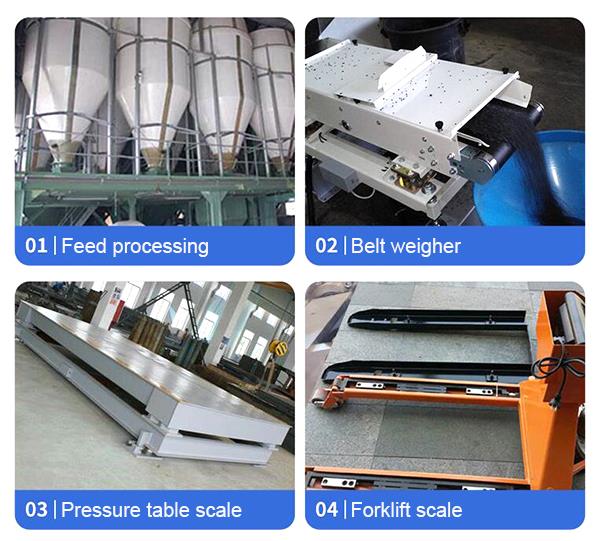
  • Wide Application Range: This load cell is used in various fields, including large-scale testing machines, batching scales, belt scales, and more, thanks to its versatility.
  • Temperature Stability: The bending load cell performs well under different temperatures, with a minimal temperature effect on both output and zero, ensuring stable measurements even in challenging conditions.
  • Strong Resistance to Impact: Designed to withstand impact and vibrations, the bending beam load cell is reliable for use in environments with frequent mechanical stresses.
  • Easy Installation: The load cell is designed for easy installation and setup, offering convenient integration into various measurement systems.
  • Long-Term Stability: Its stable structure ensures consistent performance under varying loads, providing high accuracy and reliability for long-term use.
  • Soldered Core: The internal core is treated with resin to ensure stability and prevent the effects of moisture and dust.

Dimension (unit: mm)
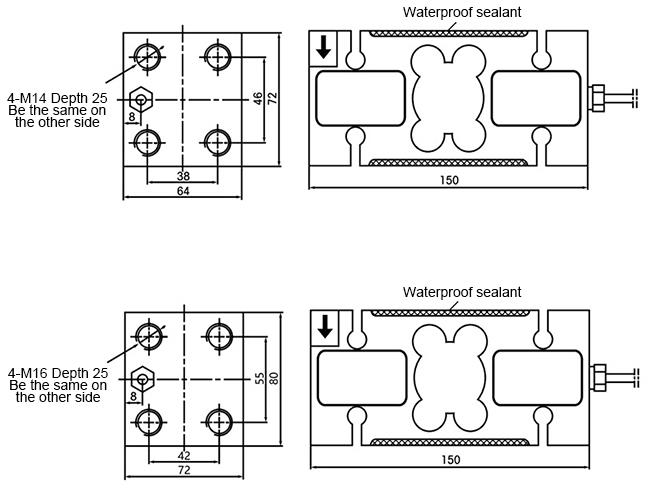
Bending beam load cell size

Application

Bending beam load cell application

Tips: What is the working principle of a bending beam load cell?

A bending beam load cell operates based on the principle of strain gauges, which measure the deformation (strain) of the beam under applied force. The load cell consists of a metal beam that bends when a load is applied. This bending causes a change in the electrical resistance of the strain gauges attached to the beam. As the beam deforms, the strain gauges experience a change in resistance that is proportional to the amount of strain (and thus the applied load). This change in resistance is then converted into an electrical signal, which is processed and calibrated to determine the weight or force applied. The bending beam load cell is commonly used in weighing scales and force measurement applications due to its simple design and high accuracy.

In this video, we've shown you how to calibrate the weight transmitter Model 610 by ATO using a compression load cell so that you can make sure you get the most accurate readings possible in your measurement.

This video explains the six main considerations as to the selection of load cells for different jobs. These factors are application, operating environment, types of material and sealing techniques, capacity/resolution requirements and output signal types. Hope this video will be helpful and get you prepared for the initial discussion with technical personnel during the selecting process.

Write your review
  • Only registered users can write reviews
*
*
  • Bad
  • Excellent
*
*
*
*

After purchasing one ATO load cell, you can buy a special digital panel meter to obtain readings directly, or buy a transmitter to output standard signal to PLC, DCS and other systems. Customized output signal is 0-5V, 0-10V, or 4-20mA.

Note: The load cell cannot be connected to both the transmitter and the controller at the same time — only one can be selected.

The bending beam load cell comes in capacities from 150kg to 2000kg. The load cell has a creep of 0.03%F.S. over 30 minutes and a temperature effect on output of 0.03%F.S./10°C, while the temperature effect on zero is 0.05%F.S./10°C. It operates with a frequency response of 10kHz and is made from durable alloy steel, with an impedance of 350Ω. Ideal for large-scale testing machines, batching scales, and belt scales.

Specification

ModelATO-DYX-305
Capacity0-2000kg (optional 150kg/250kg/500kg/1000kg/2000kg)
Matched Display ControllerATO-DPM-DY800 (Click it to the controller page)
Matched TransmitterATO-LCTR-OA (Click it to the transmitter page)
Output Sensitivity2.0 ± 0.02mV/V
Zero Output±1%F.S.
Non-linearity0.03%F.S.
Hysteresis0.03%F.S.
Repeatability0.03%F.S.
Creep (30 min)0.03%F.S.
Temperature Effect on Output0.03%F.S./10°C
Temperature Effect on Zero0.05%F.S./10°C
Response Frequency10kHz
MaterialAlloy Steel
Impedance350Ω
Insulation≥5000MΩ/100VDC
Operating Voltage5-15V
Operating Temperature Range-20 to 60°C
Safety Overload150%
Maximum Overload200%
Cable Ultimate Pull10kg
Cable SpecificationsΦ5×3m
TEDSOptional (Contact customer service)


Feature

Bending beam load cell feature

  • High Precision: The bending beam load cell is known for its high accuracy and long-term stability.
  • Durable Construction: Made from high-quality alloy steel, it offers high strength and resilience, making it suitable for heavy-duty applications.
  • IP67 Protection: The load cell features IP67 protection, ensuring it is resistant to dust and water, making it suitable for harsh industrial environments.
  • Wide Application Range: This load cell is used in various fields, including large-scale testing machines, batching scales, belt scales, and more, thanks to its versatility.
  • Temperature Stability: The bending load cell performs well under different temperatures, with a minimal temperature effect on both output and zero, ensuring stable measurements even in challenging conditions.
  • Strong Resistance to Impact: Designed to withstand impact and vibrations, the bending beam load cell is reliable for use in environments with frequent mechanical stresses.
  • Easy Installation: The load cell is designed for easy installation and setup, offering convenient integration into various measurement systems.
  • Long-Term Stability: Its stable structure ensures consistent performance under varying loads, providing high accuracy and reliability for long-term use.
  • Soldered Core: The internal core is treated with resin to ensure stability and prevent the effects of moisture and dust.

Dimension (unit: mm)

Bending beam load cell size

Application

Bending beam load cell application

Tips: What is the working principle of a bending beam load cell?

A bending beam load cell operates based on the principle of strain gauges, which measure the deformation (strain) of the beam under applied force. The load cell consists of a metal beam that bends when a load is applied. This bending causes a change in the electrical resistance of the strain gauges attached to the beam. As the beam deforms, the strain gauges experience a change in resistance that is proportional to the amount of strain (and thus the applied load). This change in resistance is then converted into an electrical signal, which is processed and calibrated to determine the weight or force applied. The bending beam load cell is commonly used in weighing scales and force measurement applications due to its simple design and high accuracy.

Only registered users can write reviews