2L Double Jacketed Glass Reactor

$2,890.76
Double jacketed glass reactor has a capacity of 2L and provides precise temperature control for optimal reaction conditions and reliable results. Our jacketed glass reactor is meticulously designed and crafted using premium materials to ensure exceptional durability and performance.
SKU: ATO-JGR-2L
Free Shipping
Delivery date: 6-12 days

The 2L double jacketed glass reactor is available at a low price and its modular design allows for easy expansion and integration with other equipment. It is easy to clean and maintain, minimizing downtime and maximizing productivity.

Specification

ModelATO-JGR-2
Effective Volume in the Kettle2L
Condenser Heat Exchange Area1 m2
Constant Pressure Funnel Volume0.25L
Recovery Head Volume0.25L
Glass Component MaterialHigh borosilicate 3.3
Main Frame MaterialSUS304
Working Temperature-80~200°C
Pressure in Kettle-0.098 Mpa
Stirring Motor Power90W
Speed Control ModeElectronic speed control
Speed Adjustment Range0~1000 rpm
Seal MaterialFluorine rubber
Heating MethodBath heating
Power Supply220V~240V
Frequency50/60HZ, 1P
Dimension1140*410*450mm
Weight40kg


Features

  • 2L jacketed glass reactor adopts new high borosilicate glass, which has excellent stability and corrosion resistance.
  • Digital display frequency conversion speed control, stirring speed can be adjusted, and temperature control is accurate.
  • Double jacketed glass reactor assembly adopts a fluorine rubber seal to maintain the high precision seal under working conditions.
  • Modular design, easy to assemble, easy to upgrade and maintain.
  • Stainless steel frame, good stability.
  • Jacketed glass reactors can be customized according to customer requirements.

Applications

The glass-lined reactor finds application in various industries, serving as a versatile vessel for chemical reactions and processes due to its corrosion resistance and thermal stability. It is widely employed in the pharmaceutical, petrochemical, and food industries, among others.
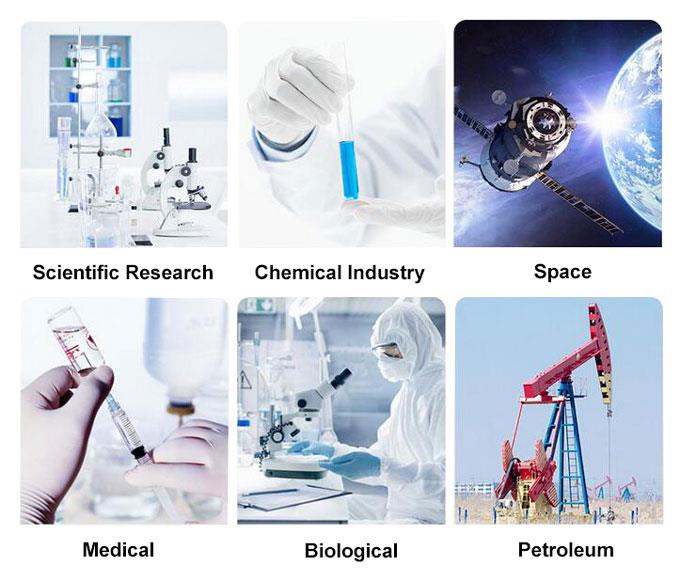
Glass lined reactor applications

Tips: Can glass-lined reactors handle corrosive chemicals?

Yes, glass-lined reactors are designed to handle corrosive chemicals. Glass lining refers to a layer of glass that is applied to the internal surfaces of the reactor, typically using a fusion process. This glass lining provides excellent resistance to corrosion, making it suitable for a wide range of corrosive chemicals.

The glass lining acts as a barrier between the corrosive chemical and the metal surface of the reactor, protecting the metal from direct contact with the corrosive substance. The glass used for lining is typically a type of borosilicate glass, known for its high resistance to chemical attack.

Glass-lined reactors are commonly used in industries such as chemical processing, pharmaceuticals, petrochemicals, and specialty chemicals, where corrosive substances are frequently handled. They offer several advantages, including:

  • Corrosion resistance: The glass lining provides exceptional resistance to a wide range of corrosive chemicals, including acids, alkalis, and organic solvents.
  • Cleanability: Glass surfaces are non-porous and smooth, making them easy to clean and preventing the buildup of residues that could potentially contaminate subsequent batches.
  • Thermal resistance: Glass-lined reactors can withstand a broad temperature range, typically from -20°C to 200°C or higher, depending on the specific design and glass type used.
  • Transparency: Glass allows for visual inspection of the contents inside the reactor, facilitating process monitoring and troubleshooting.

While glass-lined reactors offer excellent corrosion resistance, it is important to note that they may not be suitable for all corrosive chemicals. Some extremely aggressive substances or highly reactive conditions may require alternative materials or specialized equipment. It is crucial to consult with experts and consider the specific chemical compatibility and process conditions when selecting a reactor for a particular application.

Product reviews
Laboratory-friendly device
5
Levi
Avatar
7/8/2024 2:37 AM
Our laboratory purchased this 2L double-jacketed glass reactor and found it to be a powerful and laboratory-friendly piece of equipment, especially suitable for chemical synthesis, drug development, etc. I am very satisfied with its performance.
Was this review helpful? Yes No (0/0)
High quality
4
Arron
Avatar
3/1/2026 6:07 PM
It works perfectly with precise temp control, durable glass, easy to operate and maintain.
Was this review helpful? Yes No (0/0)
Write your review
  • Only registered users can write reviews
*
*
  • Bad
  • Excellent
*
*
*
*

The 2L double jacketed glass reactor is available at a low price and its modular design allows for easy expansion and integration with other equipment. It is easy to clean and maintain, minimizing downtime and maximizing productivity.

Specification

ModelATO-JGR-2
Effective Volume in the Kettle2L
Condenser Heat Exchange Area1 m2
Constant Pressure Funnel Volume0.25L
Recovery Head Volume0.25L
Glass Component MaterialHigh borosilicate 3.3
Main Frame MaterialSUS304
Working Temperature-80~200°C
Pressure in Kettle-0.098 Mpa
Stirring Motor Power90W
Speed Control ModeElectronic speed control
Speed Adjustment Range0~1000 rpm
Seal MaterialFluorine rubber
Heating MethodBath heating
Power Supply220V~240V
Frequency50/60HZ, 1P
Dimension1140*410*450mm
Weight40kg


Features

  • 2L jacketed glass reactor adopts new high borosilicate glass, which has excellent stability and corrosion resistance.
  • Digital display frequency conversion speed control, stirring speed can be adjusted, and temperature control is accurate.
  • Double jacketed glass reactor assembly adopts a fluorine rubber seal to maintain the high precision seal under working conditions.
  • Modular design, easy to assemble, easy to upgrade and maintain.
  • Stainless steel frame, good stability.
  • Jacketed glass reactors can be customized according to customer requirements.

Applications

The glass-lined reactor finds application in various industries, serving as a versatile vessel for chemical reactions and processes due to its corrosion resistance and thermal stability. It is widely employed in the pharmaceutical, petrochemical, and food industries, among others.

Glass lined reactor applications

Tips: Can glass-lined reactors handle corrosive chemicals?

Yes, glass-lined reactors are designed to handle corrosive chemicals. Glass lining refers to a layer of glass that is applied to the internal surfaces of the reactor, typically using a fusion process. This glass lining provides excellent resistance to corrosion, making it suitable for a wide range of corrosive chemicals.

The glass lining acts as a barrier between the corrosive chemical and the metal surface of the reactor, protecting the metal from direct contact with the corrosive substance. The glass used for lining is typically a type of borosilicate glass, known for its high resistance to chemical attack.

Glass-lined reactors are commonly used in industries such as chemical processing, pharmaceuticals, petrochemicals, and specialty chemicals, where corrosive substances are frequently handled. They offer several advantages, including:

  • Corrosion resistance: The glass lining provides exceptional resistance to a wide range of corrosive chemicals, including acids, alkalis, and organic solvents.
  • Cleanability: Glass surfaces are non-porous and smooth, making them easy to clean and preventing the buildup of residues that could potentially contaminate subsequent batches.
  • Thermal resistance: Glass-lined reactors can withstand a broad temperature range, typically from -20°C to 200°C or higher, depending on the specific design and glass type used.
  • Transparency: Glass allows for visual inspection of the contents inside the reactor, facilitating process monitoring and troubleshooting.

While glass-lined reactors offer excellent corrosion resistance, it is important to note that they may not be suitable for all corrosive chemicals. Some extremely aggressive substances or highly reactive conditions may require alternative materials or specialized equipment. It is crucial to consult with experts and consider the specific chemical compatibility and process conditions when selecting a reactor for a particular application.

Product reviews
Laboratory-friendly device
5
Levi
Avatar
7/8/2024 2:37 AM
Our laboratory purchased this 2L double-jacketed glass reactor and found it to be a powerful and laboratory-friendly piece of equipment, especially suitable for chemical synthesis, drug development, etc. I am very satisfied with its performance.
Was this review helpful? Yes No (0/0)
High quality
4
Arron
Avatar
3/1/2026 6:07 PM
It works perfectly with precise temp control, durable glass, easy to operate and maintain.
Was this review helpful? Yes No (0/0)
Only registered users can write reviews