20L Double Jacketed Glass Reactor

$6,989.98
20L jacketed double-glass reactor is made of high quality borosilicate glass and stainless steel components to withstand the rigors of demanding applications. The double-layered construction provides excellent thermal insulation, preventing heat loss and minimizing the risk of accidents.
SKU: ATO-JGR-20L
Free Shipping
Delivery date: 6-12 days

20L jacketed glass reactor is equipped with an intuitive control panel that allows the user to monitor and adjust various parameters such as temperature, stirring speed, and reflux ratio. Our jacketed glass reactor is the ideal test and production equipment for the modern synthetic chemical, biopharmaceutical, and new material preparation.

Specification

ModelATO-JGR-20
Effective Volume in the Kettle20L
Condenser Heat Exchange Area6 m2
Constant Pressure Funnel Volume0.2L
Recovery Head Volume1L
Glass Component MaterialHigh borosilicate 3.3
Main Frame MaterialSUS304
Working Temperature-80~200°C
Pressure in Kettle-0.098 Mpa
Stirring Motor Power120W
Speed Control ModeElectronic speed control
Speed Adjustment Range0~1000 rpm
Seal MaterialFluorine rubber
Heating MethodBath heating
Power Supply220V~240V
Frequency50/60HZ, 1P
Dimension1380*670*700mm
Weight115kg


Features

  • 20L jacketed glass reactor adopts new high borosilicate glass, which has excellent stability and corrosion resistance.
  • Digital display frequency conversion speed control, stirring speed can be adjusted, and temperature control is accurate.
  • Double jacketed glass reactor assembly adopts a fluorine rubber seal to maintain the high precision seal under working conditions.
  • Modular design, easy to assemble, easy to upgrade and maintain.
  • Stainless steel frame, good stability.
  • Jacketed glass reactors can be customized according to customer requirements.

Applications

The glass-lined reactor finds application in various industries, serving as a versatile vessel for chemical reactions and processes due to its corrosion resistance and thermal stability. It is widely employed in the pharmaceutical, petrochemical, and food industries, among others.
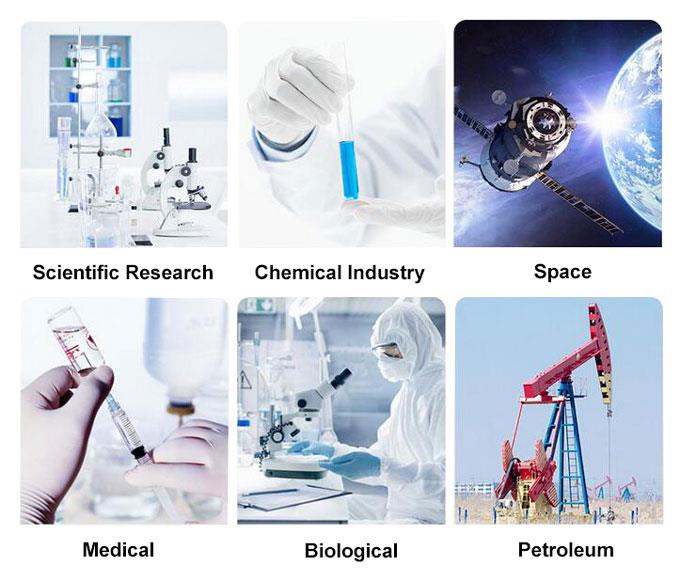
Glass lined reactor applications

Tips: How resistant is the glass lining to chemical corrosion?

Glass linings are known for their excellent resistance to chemical corrosion. The glass lining is a protective coating applied to the interior surface of equipment such as tanks, reactors, and pipes, to safeguard them against corrosive substances. Here are some key points regarding the resistance of glass lining to chemical corrosion:

  • Chemical Inertness: Glass linings are highly inert, meaning they do not react chemically with most substances. This inertness allows them to withstand the corrosive effects of a wide range of chemicals, including acids, alkalis, organic solvents, and other aggressive media.
  • Nonporous Surface: Glass linings possess a nonporous surface, which makes them impermeable to liquids and gases. This feature further enhances their resistance to chemical attack, as corrosive agents cannot penetrate the lining and reach the underlying equipment.
  • Wide Chemical Compatibility: Glass linings exhibit compatibility with numerous corrosive chemicals encountered in various industrial processes. They can resist strong acids such as sulfuric acid, hydrochloric acid, and nitric acid, as well as strong alkalis like sodium hydroxide and potassium hydroxide. Additionally, they are resistant to organic compounds, including solvents and aromatic substances.
  • Temperature Resistance: Glass linings maintain their resistance to chemical corrosion over a wide temperature range. They can withstand both high and low temperatures without compromising their protective properties, making them suitable for applications involving extreme temperature conditions.
  • Mechanical Strength: While glass linings excel in chemical resistance, they can be susceptible to mechanical damage such as impact or abrasion. It is important to handle equipment with glass linings carefully to avoid compromising their corrosion-resistant properties.

Product reviews
good jacketed glass reactor
4
Dylan0
Avatar
10/19/2025 7:55 PM
I've been using this 20L double jacketed glass reactor for a few weeks now and it's really impressive. The temperature control is super accurate and the modular design makes it easy to set up. It is a bit heavy to move around, but that's a minor issue for such a sturdy piece of equipment. Overall, it's been a great addition to my lab work.
Was this review helpful? Yes No (0/0)
excellent jacketed glass reactor
5
Julia29
Avatar
10/30/2025 11:47 PM
Our lab purchased two of these 20l double jacketed glass reactor units last month. High borosilicate glass resists chemical corrosion effectively. We all like them.
Was this review helpful? Yes No (0/0)
Write your review
  • Only registered users can write reviews
*
*
  • Bad
  • Excellent
*
*
*
*

20L jacketed glass reactor is equipped with an intuitive control panel that allows the user to monitor and adjust various parameters such as temperature, stirring speed, and reflux ratio. Our jacketed glass reactor is the ideal test and production equipment for the modern synthetic chemical, biopharmaceutical, and new material preparation.

Specification

ModelATO-JGR-20
Effective Volume in the Kettle20L
Condenser Heat Exchange Area6 m2
Constant Pressure Funnel Volume0.2L
Recovery Head Volume1L
Glass Component MaterialHigh borosilicate 3.3
Main Frame MaterialSUS304
Working Temperature-80~200°C
Pressure in Kettle-0.098 Mpa
Stirring Motor Power120W
Speed Control ModeElectronic speed control
Speed Adjustment Range0~1000 rpm
Seal MaterialFluorine rubber
Heating MethodBath heating
Power Supply220V~240V
Frequency50/60HZ, 1P
Dimension1380*670*700mm
Weight115kg


Features

  • 20L jacketed glass reactor adopts new high borosilicate glass, which has excellent stability and corrosion resistance.
  • Digital display frequency conversion speed control, stirring speed can be adjusted, and temperature control is accurate.
  • Double jacketed glass reactor assembly adopts a fluorine rubber seal to maintain the high precision seal under working conditions.
  • Modular design, easy to assemble, easy to upgrade and maintain.
  • Stainless steel frame, good stability.
  • Jacketed glass reactors can be customized according to customer requirements.

Applications

The glass-lined reactor finds application in various industries, serving as a versatile vessel for chemical reactions and processes due to its corrosion resistance and thermal stability. It is widely employed in the pharmaceutical, petrochemical, and food industries, among others.

Glass lined reactor applications

Tips: How resistant is the glass lining to chemical corrosion?

Glass linings are known for their excellent resistance to chemical corrosion. The glass lining is a protective coating applied to the interior surface of equipment such as tanks, reactors, and pipes, to safeguard them against corrosive substances. Here are some key points regarding the resistance of glass lining to chemical corrosion:

  • Chemical Inertness: Glass linings are highly inert, meaning they do not react chemically with most substances. This inertness allows them to withstand the corrosive effects of a wide range of chemicals, including acids, alkalis, organic solvents, and other aggressive media.
  • Nonporous Surface: Glass linings possess a nonporous surface, which makes them impermeable to liquids and gases. This feature further enhances their resistance to chemical attack, as corrosive agents cannot penetrate the lining and reach the underlying equipment.
  • Wide Chemical Compatibility: Glass linings exhibit compatibility with numerous corrosive chemicals encountered in various industrial processes. They can resist strong acids such as sulfuric acid, hydrochloric acid, and nitric acid, as well as strong alkalis like sodium hydroxide and potassium hydroxide. Additionally, they are resistant to organic compounds, including solvents and aromatic substances.
  • Temperature Resistance: Glass linings maintain their resistance to chemical corrosion over a wide temperature range. They can withstand both high and low temperatures without compromising their protective properties, making them suitable for applications involving extreme temperature conditions.
  • Mechanical Strength: While glass linings excel in chemical resistance, they can be susceptible to mechanical damage such as impact or abrasion. It is important to handle equipment with glass linings carefully to avoid compromising their corrosion-resistant properties.
Product reviews
good jacketed glass reactor
4
Dylan0
Avatar
10/19/2025 7:55 PM
I've been using this 20L double jacketed glass reactor for a few weeks now and it's really impressive. The temperature control is super accurate and the modular design makes it easy to set up. It is a bit heavy to move around, but that's a minor issue for such a sturdy piece of equipment. Overall, it's been a great addition to my lab work.
Was this review helpful? Yes No (0/0)
excellent jacketed glass reactor
5
Julia29
Avatar
10/30/2025 11:47 PM
Our lab purchased two of these 20l double jacketed glass reactor units last month. High borosilicate glass resists chemical corrosion effectively. We all like them.
Was this review helpful? Yes No (0/0)
Only registered users can write reviews