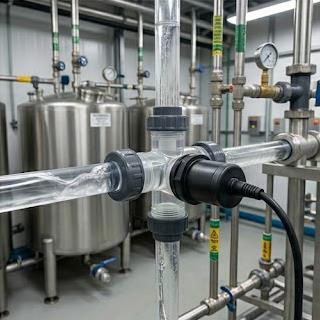
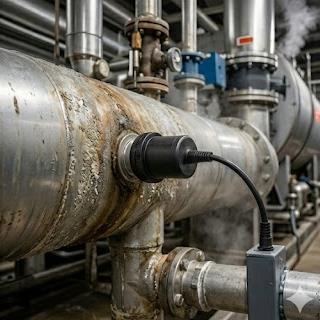
Inductive Conductivity Sensor, 0~2000ms/cm, 4-20mA/RS485

$1,293.54
Industrial inductive conductivity sensor with 0-1000 mS/cm or 0-2000 mS/cm range. Features RS485 Modbus-RTU & 4-20mA direct PLC integration, PTFE anti-corrosion housing, and IP68 waterproof rating. No meter required.
SKU: ATO-CS-S7S
*
*
*
Free Shipping
Delivery date: 6-12 days

Inductive conductivity sensor for water has the advantages of fast, simple, accurate, stable and long service life. Electrical conductivity sensor uses a high-strength casing material, which can be directly connected to devices such as computers and PLCs with RS-485/4-20mA signal interfaces, and is widely used for the continuous detection of conductivity values in solutions such as thermal power, chemical fertilizers, metallurgy, environmental protection, biochemistry and food.

Technical Specifications

ModelATO-SJ-S7S
Measurement TechnologyInductive / Toroidal / Non-Contacting
Conductivity Range0~1000ms/cm, 0~2000ms/cm (Customizable)
Signal OutputRS-485 (MODbus-RTU protocol), 4-20mA, DC 0~2V
Housing MaterialPure PTFE (Teflon) - Exceptional chemical resistance
Temperature SensorIntegrated NTC 10K thermistor
Temp. Compensation (ATC)0~100℃ automatic compensation (Reference: 25℃)
Operating TemperatureStandard: 0~60℃ | High-Temp Optional: 0~120℃
Resolution0.1ms/cm, 0.1℃
Measurement Accuracy±2%FS (Full Scale) for conductivity; ±0.5℃ for temperature
Automatic Temperature Compensation0~100℃ temperature compensation NTC 10K
Max Output Load<500Ω
Power SupplyDC 12~24V
Waterproof RatingIP68 (Fully submersible)


Key Features & Engineering Advantages

  • Fouling-Immune Non-Contact Measurement: Utilizing electromagnetic toroidal induction technology, the ATO-SJ-S7S does not use bare metal electrodes. It is completely immune to polarization, oil coating, scale buildup, and suspended solids.
  • Extreme Chemical & Corrosion Resistance: The entire sensor body is encased in high-density PTFE (Polytetrafluoroethylene). This makes it the ideal choice for monitoring highly corrosive media, including concentrated sulfuric acid (H2SO4), hydrochloric acid (HCl), and strong sodium hydroxide (NaOH) solutions.
  • Instrument-Free Direct Integration: This smart digital sensor functions as a standalone transmitter. It can output industrial standard 4-20mA or RS-485 Modbus-RTU signals directly into your PLC, DCS, SCADA, or IoT gateways without requiring an expensive intermediate controller/analyzer meter.

Physical Dimensions & Installation Mechanical Specs

To assist in piping and tank integration design, please refer to the mechanical dimensions below:

  • Sensor Body Diameter: 60 mm
  • Overall Body Length: 140 mm
  • Process Connection Thread: 1-inch NPT (or G1 male thread) for easy immersion or flow-through tee mounting.
  • Standard Cable Length: 5 meters (Shielded, waterproof cable, extendable up to 30m for RS485 signals).
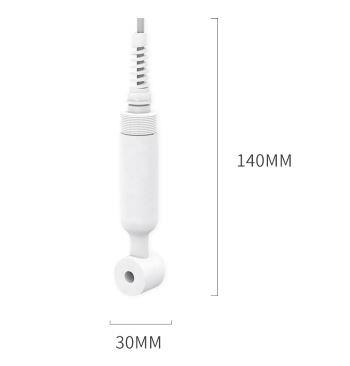
Inductive conductivity sensor dimension

Industrial Applications & Use Cases

ATO inductive EC sensor is specifically engineered for continuous, long-term monitoring in extreme environments where traditional electrode sensors fail:

  • Chemical & Fertilizer Processing: Real-time concentration monitoring of acids, bases, and highly saline chemical blending streams.
  • Industrial Wastewater & Scrubber Systems: Tracking high dissolved solids and salinity in heavy metal plating rinses and flue-gas desulfurization (FGD) wastewater.
  • Thermal Power & Boiler Blowdown: Managing boiler water quality and cooling tower cycles of concentration to prevent scaling while minimizing water waste.
  • Desalination & Brine Management: Monitoring seawater intake, reverse osmosis reject lines, and high-concentration brine streams.
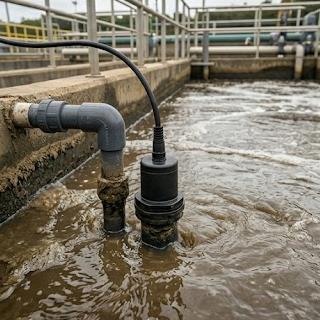
inductive conductivity sensor fo water quality
Inductive Conductivity Sensor for Water Quality
Inductive conductivity sensor for chemicals
Inductive Conductivity Sensor for Chemicals
Inductive conductivity sensor for boiler blowdown
Inductive Conductivity Sensor for Boiler Blowdown

Tips: What is a conductivity sensor?

A conductivity sensor is a device used to measure the conductivity of a liquid. It can detect the concentration of conductive ions in a liquid, thereby reflecting the conductivity of the liquid. The advantages of conductivity sensors include fast response, real-time monitoring, and adaptability to a variety of media. However, it is greatly affected by temperature/pollution and requires special design under extreme conditions. Conductivity sensors are widely used in water treatment, chemical industry, food, pharmaceuticals, laboratory analysis and other fields, especially for monitoring the quality and composition of liquids such as pure water, wastewater, seawater, and drinking water.

Product reviews
Reliable and Low-Maintenance Water Conductivity Sensor
5
singing
Avatar
8/28/2025 3:12 AM
I’ ve been using the Inductive Conductivity Sensor for Water for a few months, and it’ s been excellent. The non-contact method is low-maintenance, and the IP68 rating ensures it’ s durable. The sensor provides accurate readings and works well across a wide temperature range. The RS485 connectivity made integration easy. Overall, a reliable and cost-effective solution for water conductivity measurement. Highly recommend!
Was this review helpful? Yes No (0/0)
Write your review
  • Only registered users can write reviews
*
*
  • Bad
  • Excellent
*
*
*
*

Inductive conductivity sensor for water has the advantages of fast, simple, accurate, stable and long service life. Electrical conductivity sensor uses a high-strength casing material, which can be directly connected to devices such as computers and PLCs with RS-485/4-20mA signal interfaces, and is widely used for the continuous detection of conductivity values in solutions such as thermal power, chemical fertilizers, metallurgy, environmental protection, biochemistry and food.

Technical Specifications

ModelATO-SJ-S7S
Measurement TechnologyInductive / Toroidal / Non-Contacting
Conductivity Range0~1000ms/cm, 0~2000ms/cm (Customizable)
Signal OutputRS-485 (MODbus-RTU protocol), 4-20mA, DC 0~2V
Housing MaterialPure PTFE (Teflon) - Exceptional chemical resistance
Temperature SensorIntegrated NTC 10K thermistor
Temp. Compensation (ATC)0~100℃ automatic compensation (Reference: 25℃)
Operating TemperatureStandard: 0~60℃ | High-Temp Optional: 0~120℃
Resolution0.1ms/cm, 0.1℃
Measurement Accuracy±2%FS (Full Scale) for conductivity; ±0.5℃ for temperature
Automatic Temperature Compensation0~100℃ temperature compensation NTC 10K
Max Output Load<500Ω
Power SupplyDC 12~24V
Waterproof RatingIP68 (Fully submersible)


Key Features & Engineering Advantages

  • Fouling-Immune Non-Contact Measurement: Utilizing electromagnetic toroidal induction technology, the ATO-SJ-S7S does not use bare metal electrodes. It is completely immune to polarization, oil coating, scale buildup, and suspended solids.
  • Extreme Chemical & Corrosion Resistance: The entire sensor body is encased in high-density PTFE (Polytetrafluoroethylene). This makes it the ideal choice for monitoring highly corrosive media, including concentrated sulfuric acid (H2SO4), hydrochloric acid (HCl), and strong sodium hydroxide (NaOH) solutions.
  • Instrument-Free Direct Integration: This smart digital sensor functions as a standalone transmitter. It can output industrial standard 4-20mA or RS-485 Modbus-RTU signals directly into your PLC, DCS, SCADA, or IoT gateways without requiring an expensive intermediate controller/analyzer meter.

Physical Dimensions & Installation Mechanical Specs

To assist in piping and tank integration design, please refer to the mechanical dimensions below:

  • Sensor Body Diameter: 60 mm
  • Overall Body Length: 140 mm
  • Process Connection Thread: 1-inch NPT (or G1 male thread) for easy immersion or flow-through tee mounting.
  • Standard Cable Length: 5 meters (Shielded, waterproof cable, extendable up to 30m for RS485 signals).

Inductive conductivity sensor dimension

Industrial Applications & Use Cases

ATO inductive EC sensor is specifically engineered for continuous, long-term monitoring in extreme environments where traditional electrode sensors fail:

  • Chemical & Fertilizer Processing: Real-time concentration monitoring of acids, bases, and highly saline chemical blending streams.
  • Industrial Wastewater & Scrubber Systems: Tracking high dissolved solids and salinity in heavy metal plating rinses and flue-gas desulfurization (FGD) wastewater.
  • Thermal Power & Boiler Blowdown: Managing boiler water quality and cooling tower cycles of concentration to prevent scaling while minimizing water waste.
  • Desalination & Brine Management: Monitoring seawater intake, reverse osmosis reject lines, and high-concentration brine streams.
inductive conductivity sensor fo water quality
Inductive Conductivity Sensor for Water Quality
Inductive conductivity sensor for chemicals
Inductive Conductivity Sensor for Chemicals
Inductive conductivity sensor for boiler blowdown
Inductive Conductivity Sensor for Boiler Blowdown

Tips: What is a conductivity sensor?

A conductivity sensor is a device used to measure the conductivity of a liquid. It can detect the concentration of conductive ions in a liquid, thereby reflecting the conductivity of the liquid. The advantages of conductivity sensors include fast response, real-time monitoring, and adaptability to a variety of media. However, it is greatly affected by temperature/pollution and requires special design under extreme conditions. Conductivity sensors are widely used in water treatment, chemical industry, food, pharmaceuticals, laboratory analysis and other fields, especially for monitoring the quality and composition of liquids such as pure water, wastewater, seawater, and drinking water.

Product reviews
Reliable and Low-Maintenance Water Conductivity Sensor
5
singing
Avatar
8/28/2025 3:12 AM
I’ ve been using the Inductive Conductivity Sensor for Water for a few months, and it’ s been excellent. The non-contact method is low-maintenance, and the IP68 rating ensures it’ s durable. The sensor provides accurate readings and works well across a wide temperature range. The RS485 connectivity made integration easy. Overall, a reliable and cost-effective solution for water conductivity measurement. Highly recommend!
Was this review helpful? Yes No (0/0)
Only registered users can write reviews