Hydrogen Chloride (HCl) Gas Sensor, 0-50ppm/0-200ppm

$148.82
Low cost hydrogen chloride (HCl) gas sensor for sale. It detects 0-50 ppm or 0-200 ppm (optional) with a maximum load of 100 ppm. HCL gas sensor has 300 ±80 nA/ppm sensitivity, 0.1 ppm resolution (0-50 ppm), and 1 ppm resolution (0-200 ppm). The precision is ±10%, and the response time is ≤70s. Gas sensor works in 90-110 kPa pressure and -30°C to 50°C temperature. Can be used in industrial plants, transportation tunnels, energy and electric power, petroleum and petrochemical.
SKU: ATO-GS-HCL
*
Free Shipping
Delivery date: 6-12 days

Good price HCl gas sensor detects 0-50 ppm or 0-200 ppm (optional) with a 100 ppm max load. Features 300 ±80 nA/ppm sensitivity, 0.1 ppm (0-50 ppm) and 1 ppm (0-200 ppm) resolution, ±10% precision, and ≤70s response time. Works in 90-110 kPa pressure and -30°C to 50°C temperature. Great for industrial plants, tunnels, power, and petrochemical industries.

Specification

ModelATO-S4-HCL
Detection PrincipleElectrochemical Three-Electrode
Detected GasHydrogen Chloride (HCl)
Detection Range0~50 ppm, 0-200ppm (optional)
Maximum Load Concentration100 ppm
Sensitivity300 ±80 nA/ppm
Zero Drift0~5 ppm
Resolution0.1 ppm (0-50ppm), 1ppm (0-200ppm)
Precision±10%
Response Time≤70s
Operating Pressure90 to 110 kPa
Temperature Range-30°C to 50°C
Humidity Range15%RH to 90%RH (Non-condensing)
Repeatability< ±2% Signal/Month
Long-term Stability< 2% Signal/Month
LinearityLinear up to 100 ppm
Service Life2 years


Dimension (Unit: mm)

Electrochemical gas sensors size

Crossover Interference

The hydrogen chloride (HCl) gas sensor also responds to gases other than the target gas. For reference, the response characteristics of the sensor to several common interfering gases are listed in the table below. The data in the table are typical responses of interfering gases at a given concentration.

Interfering GasGas Concentration Used (ppm)Displayed Value (ppm/HCl)
CO1000
H₂S25110
H₂20000
NO2050
NO₂101
SO₂2030


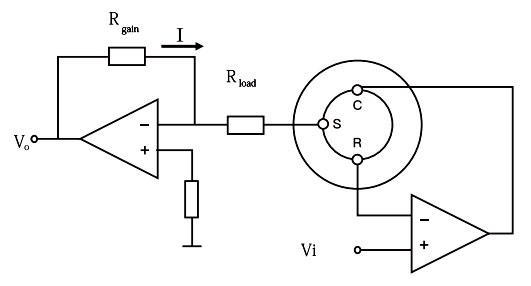
Basic Test Circuit

Gas sensor basic test circuit

Application

Hydrogen chloride (HCl) gas sensor can be used in industrial plants, transportation tunnels, energy and electric power, petroleum and petrochemical, coal mine tunnel, instrumentation, fruit trees and gardens, farms and pastures, agricultural greenhouses, floriculture, laboratories and so on.
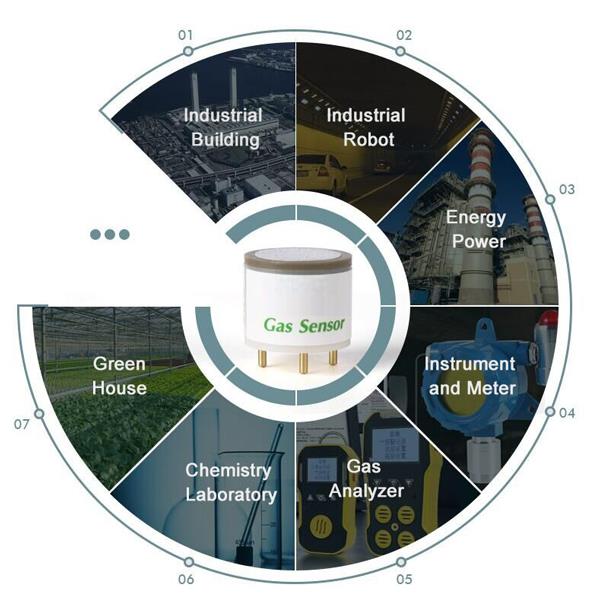
HCL gas sensor application

Tips: What factors can affect the performance of this HCl gas sensor?

Several factors can influence the accuracy and longevity of the sensor:

  • Temperature & Humidity: The sensor operates within -30°C to 50°C and 15%RH to 90%RH (non-condensing). Extreme temperatures can affect sensor response, while high humidity may introduce minor signal drift.
  • Gas Interference: While the sensor is designed to be highly selective, exposure to gases such as SO₂, NO₂, and H₂S may cause slight cross-sensitivity effects. However, advanced filtering techniques minimize these impacts.
  • Calibration Frequency: Over time, sensor readings may drift due to electrode aging or environmental exposure. Regular calibration every 3-6 months ensures ongoing accuracy.
  • Long-Term Exposure to High Concentrations: Prolonged exposure to HCl levels near or beyond the maximum load concentration (100 ppm for the 0-50 ppm model, 1000 ppm for the 0-500 ppm model) may lead to temporary saturation or degradation of sensor components.
Write your review
  • Only registered users can write reviews
*
*
  • Bad
  • Excellent
*
*
*
*

Good price HCl gas sensor detects 0-50 ppm or 0-200 ppm (optional) with a 100 ppm max load. Features 300 ±80 nA/ppm sensitivity, 0.1 ppm (0-50 ppm) and 1 ppm (0-200 ppm) resolution, ±10% precision, and ≤70s response time. Works in 90-110 kPa pressure and -30°C to 50°C temperature. Great for industrial plants, tunnels, power, and petrochemical industries.

Specification

ModelATO-S4-HCL
Detection PrincipleElectrochemical Three-Electrode
Detected GasHydrogen Chloride (HCl)
Detection Range0~50 ppm, 0-200ppm (optional)
Maximum Load Concentration100 ppm
Sensitivity300 ±80 nA/ppm
Zero Drift0~5 ppm
Resolution0.1 ppm (0-50ppm), 1ppm (0-200ppm)
Precision±10%
Response Time≤70s
Operating Pressure90 to 110 kPa
Temperature Range-30°C to 50°C
Humidity Range15%RH to 90%RH (Non-condensing)
Repeatability< ±2% Signal/Month
Long-term Stability< 2% Signal/Month
LinearityLinear up to 100 ppm
Service Life2 years


Dimension (Unit: mm)

Electrochemical gas sensors size

Crossover Interference

The hydrogen chloride (HCl) gas sensor also responds to gases other than the target gas. For reference, the response characteristics of the sensor to several common interfering gases are listed in the table below. The data in the table are typical responses of interfering gases at a given concentration.

Interfering GasGas Concentration Used (ppm)Displayed Value (ppm/HCl)
CO1000
H₂S25110
H₂20000
NO2050
NO₂101
SO₂2030


Basic Test Circuit

Gas sensor basic test circuit

Application

Hydrogen chloride (HCl) gas sensor can be used in industrial plants, transportation tunnels, energy and electric power, petroleum and petrochemical, coal mine tunnel, instrumentation, fruit trees and gardens, farms and pastures, agricultural greenhouses, floriculture, laboratories and so on.

HCL gas sensor application

Tips: What factors can affect the performance of this HCl gas sensor?

Several factors can influence the accuracy and longevity of the sensor:

  • Temperature & Humidity: The sensor operates within -30°C to 50°C and 15%RH to 90%RH (non-condensing). Extreme temperatures can affect sensor response, while high humidity may introduce minor signal drift.
  • Gas Interference: While the sensor is designed to be highly selective, exposure to gases such as SO₂, NO₂, and H₂S may cause slight cross-sensitivity effects. However, advanced filtering techniques minimize these impacts.
  • Calibration Frequency: Over time, sensor readings may drift due to electrode aging or environmental exposure. Regular calibration every 3-6 months ensures ongoing accuracy.
  • Long-Term Exposure to High Concentrations: Prolonged exposure to HCl levels near or beyond the maximum load concentration (100 ppm for the 0-50 ppm model, 1000 ppm for the 0-500 ppm model) may lead to temporary saturation or degradation of sensor components.
Only registered users can write reviews