2" Plunger Valve, DN50

$489.76
The 2-way flanged plunger valve features a 2" bore and a body made of carbon steel for high temperature and corrosion resistance, making it the preferred choice for demanding fluid control applications.
SKU: ATO-PV-DN50
Free Shipping
Delivery date: 6-12 days

Note: This plunger valve cannot be used for drinking water.

The low cost flanged plunger valve has a DN50 (2") bore size and a nominal pressure of 1.6 MPa. ATO plunger valves are perfect for fluid control applications that require precise performance and reliable operation.

Specification

  • Model: ATO-PV-DN50
  • Nominal Pressure: 1.6MPa
  • Material: Carbon Steel
  • Connection Method: Flange connection
  • Medium: Water, steam, oil
  • Applicable Temperature: ≤425℃
  • Weight: 24kg

Features

  • When switching on and off the plunger valve, the plunger moves slowly in the sealing ring and the contact surface is hardly worn.
  • The sealing ring adopts new non-toxic sealing material with strong elasticity and high wear resistance, which is reliable and durable.
  • In the valve between the plunger and the sealing ring using interference fit, thus ensuring the sealing of the valve and eliminating internal and external leakage.
  • When closed, the plunger is inserted into the lower sealing ring to cut off the flow channel.
  • When opened, the plunger is detached from the lower seal ring but remains hidden in the upper seal ring, keeping it isolated from the outside world and preventing leakage.

Dimension (Unit mm)
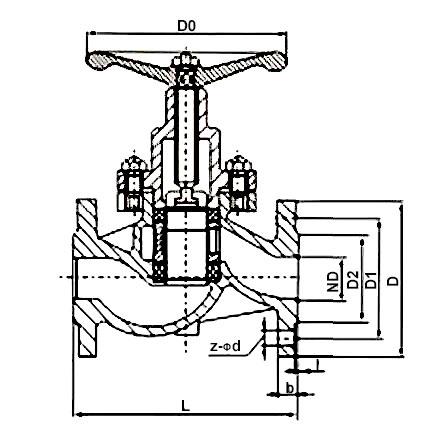
Plunger valve dimension

Nominal DiameterLDD1D2bZ-φdH
DN50230160125100164-φ18226


Applications

Plunger valves are commonly used in a variety of industrial applications where reliable and precise control of fluid flow is required. Some typical applications include chemical processing, oil and gas production, power generation, and water treatment.

Plunger valve application

Tips: How to maintain a plunger valve?

Maintaining a plunger valve involves regular cleaning and lubrication to ensure proper functioning. Here are some steps you can follow:

  1. Disassemble the valve: First, disassemble the plunger valve by removing the cap, spring, and plunger. You may need to consult the manufacturer's instructions to ensure proper disassembly.
  2. Clean the valve: Once the valve is disassembled, clean all the parts thoroughly with acleaning solution that is compatible with the valve material. You can use a mild soap solution, or a specially formulated valve cleaner.
  3. Inspect the valve: Inspect the valve for any damage or wear, such as cracks or scratches. If any damage is found, the valve may need to be replaced.
  4. Lubricate the valve: After cleaning, apply a thin layer of lubricant to the plunger and other moving parts. Make sure to use a lubricant that is compatible with the valve material.
  5. Reassemble the valve: Once the valve is clean and lubricated, reassemble it in the correct order. Ensure that all the parts are properly aligned and tightened.
  6. Test the valve: Finally, test the valve to ensure that it is working properly. Check for leaks, proper flow, and ease of operation.

It is important to regularly maintain the plunger valve to prevent any issues and ensure a longer lifespan. The frequency of maintenance will depend on the valve's usage and the environment it operates in.

Proposition 65 Warning

*WARNING: This product can expose you to chemicals, including lead, which is known to the State of California to cause birth defects or other reproductive harm. For more information, go to www.P65Warnings.ca.gov.

Product reviews
Stable performance
5
Caspian
Avatar
2/25/2026 6:21 PM
We installed this 2-way flanged plunger valve with a 2-inch bore in our industrial pipeline system, and it has performed exceptionally well under demanding conditions. The carbon steel body feels solid and durable, handling high temperatures and moderately corrosive media without any signs of wear or leakage. The flanged design ensured a secure and straightforward installation, and the valve operates smoothly with consistent flow control. After extended operation, it continues to deliver stable performance, making it a dependable choice for heavy-duty fluid control applications.
Was this review helpful? Yes No (0/0)
Write your review
  • Only registered users can write reviews
*
*
  • Bad
  • Excellent
*
*
*
*

Note: This plunger valve cannot be used for drinking water.

The low cost flanged plunger valve has a DN50 (2") bore size and a nominal pressure of 1.6 MPa. ATO plunger valves are perfect for fluid control applications that require precise performance and reliable operation.

Specification

  • Model: ATO-PV-DN50
  • Nominal Pressure: 1.6MPa
  • Material: Carbon Steel
  • Connection Method: Flange connection
  • Medium: Water, steam, oil
  • Applicable Temperature: ≤425℃
  • Weight: 24kg

Features

  • When switching on and off the plunger valve, the plunger moves slowly in the sealing ring and the contact surface is hardly worn.
  • The sealing ring adopts new non-toxic sealing material with strong elasticity and high wear resistance, which is reliable and durable.
  • In the valve between the plunger and the sealing ring using interference fit, thus ensuring the sealing of the valve and eliminating internal and external leakage.
  • When closed, the plunger is inserted into the lower sealing ring to cut off the flow channel.
  • When opened, the plunger is detached from the lower seal ring but remains hidden in the upper seal ring, keeping it isolated from the outside world and preventing leakage.

Dimension (Unit mm)

Plunger valve dimension

Nominal DiameterLDD1D2bZ-φdH
DN50230160125100164-φ18226


Applications

Plunger valves are commonly used in a variety of industrial applications where reliable and precise control of fluid flow is required. Some typical applications include chemical processing, oil and gas production, power generation, and water treatment.

Plunger valve application

Tips: How to maintain a plunger valve?

Maintaining a plunger valve involves regular cleaning and lubrication to ensure proper functioning. Here are some steps you can follow:

  1. Disassemble the valve: First, disassemble the plunger valve by removing the cap, spring, and plunger. You may need to consult the manufacturer's instructions to ensure proper disassembly.
  2. Clean the valve: Once the valve is disassembled, clean all the parts thoroughly with acleaning solution that is compatible with the valve material. You can use a mild soap solution, or a specially formulated valve cleaner.
  3. Inspect the valve: Inspect the valve for any damage or wear, such as cracks or scratches. If any damage is found, the valve may need to be replaced.
  4. Lubricate the valve: After cleaning, apply a thin layer of lubricant to the plunger and other moving parts. Make sure to use a lubricant that is compatible with the valve material.
  5. Reassemble the valve: Once the valve is clean and lubricated, reassemble it in the correct order. Ensure that all the parts are properly aligned and tightened.
  6. Test the valve: Finally, test the valve to ensure that it is working properly. Check for leaks, proper flow, and ease of operation.

It is important to regularly maintain the plunger valve to prevent any issues and ensure a longer lifespan. The frequency of maintenance will depend on the valve's usage and the environment it operates in.

Product reviews
Stable performance
5
Caspian
Avatar
2/25/2026 6:21 PM
We installed this 2-way flanged plunger valve with a 2-inch bore in our industrial pipeline system, and it has performed exceptionally well under demanding conditions. The carbon steel body feels solid and durable, handling high temperatures and moderately corrosive media without any signs of wear or leakage. The flanged design ensured a secure and straightforward installation, and the valve operates smoothly with consistent flow control. After extended operation, it continues to deliver stable performance, making it a dependable choice for heavy-duty fluid control applications.
Was this review helpful? Yes No (0/0)
Only registered users can write reviews